Warm Paint Colors That Work in Low January Light
Warm Paint Colors That Work in Low January Light
Warm Paint Colors That Work in Low January Light
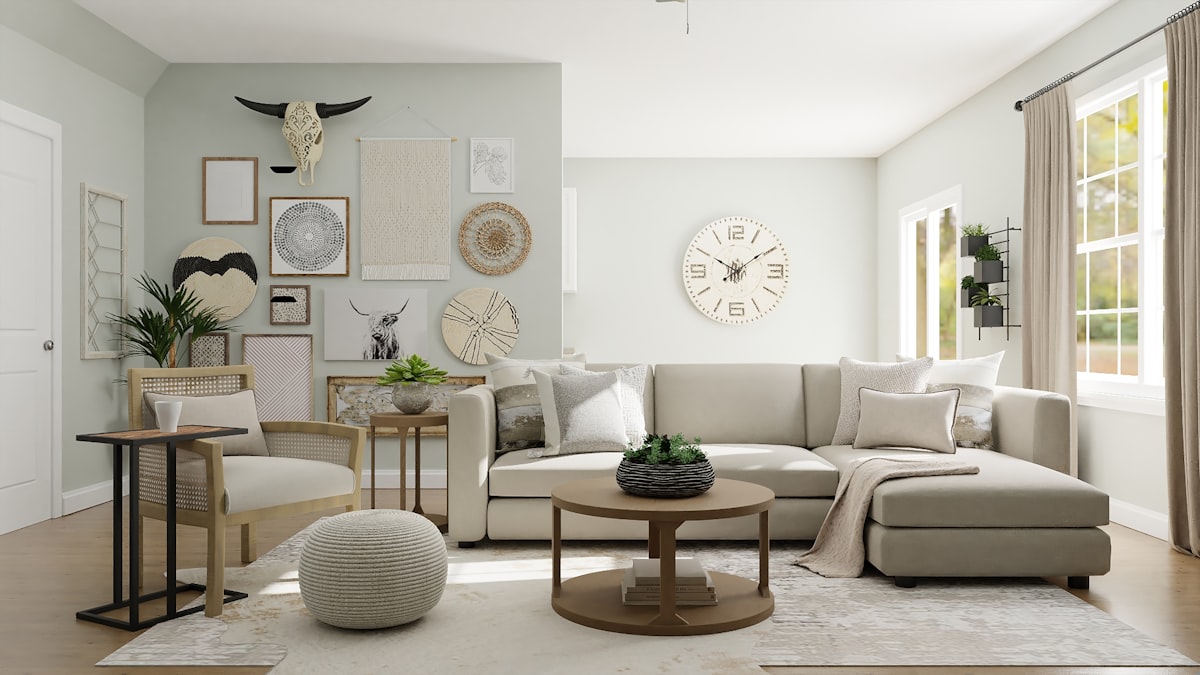
January in Pittsburgh is not known for its golden sunshine. It is the month of the "Big Gray"—a persistent cloud cover that settles over the valleys and filters the daylight into a cool, diffuse haze. While this weather is perfect for curling up with a book, it can make our homes feel chilly, dim, and uninviting.
When you look around your living room in mid-January, does it feel stark? Does your white paint look like a shadow? This is a common issue. The cool, blue-tinted natural light of a Pittsburgh winter drains the energy from neutral and cool colors, leaving interiors feeling flat.
The solution isn't necessarily more lamps (though they help); it's color. Specifically, warm paint colors.
Warm colors act as a visual thermostat. They have the psychological power to raise the perceived temperature of a room and the optical ability to counteract the blue cast of the winter sky. But choosing a warm color isn't as simple as picking a bright orange. In low light, bright colors can turn muddy, and subtle colors can disappear.
This guide will help you navigate the warm side of the color wheel. We will explore the best hues to bring a cozy, radiant energy to your Pittsburgh home, how to test them against the gray light, and how to create a sanctuary that feels sunny. For more guidance on choosing paint colors that brighten Pittsburgh homes, even when the forecast calls for a week of snow showers.
The Physics of Warmth: Why Cool Light Needs Warm Paint
To choose the right color, you need to understand the lighting conditions. Our guide on how Pittsburgh's gray skies change paint color perception explains the science behind these effects. you are fighting against.
The Pittsburgh Winter Filter
Sunlight in summer is balanced and warm. Sunlight in a Pittsburgh winter is filtered through heavy clouds and comes in at a low angle. This light is high in blue wavelengths and low in red/orange wavelengths.
Cool Walls + Cool Light = Ice: If you paint a room a cool gray or a crisp blue, the winter light amplifies those cool tones. The room feels physically colder and more sterile.
Warm Walls + Cool Light = Balance: When you introduce warm pigments (yellows, reds, oranges, and warm beiges) onto the walls, you are physically adding the wavelengths that the sun is missing. The wall absorbs the blue light and reflects a warmer glow back into the room.
The Psychology of "Hygge"
There is a reason why Scandinavian design—born in countries with long, dark winters—focuses heavily on warmth. Our brains are wired to associate yellow and red tones with fire, sunlight, and heat. Surrounding yourself with these colors triggers a physiological response that can combat the seasonal gloom known as SAD (Seasonal Affective Disorder).
The Best Warm Colors for Low-Light Rooms
Not all warm colors are created equal. In low light, you need colors with enough saturation (pigment intensity) to hold their own. A very pale pastel yellow might just look dirty white in a dim room. You need depth.
Here are the top color families that thrive in Pittsburgh's January light.
The "Golden Hour" Yellows
Forget bright lemon yellow or neon traffic-sign hues. Those require bright sun to look good. In low light, you want yellows that lean toward ochre, mustard, or gold. These earthy yellows have a grounding quality that feels sophisticated, not childish.
Why they work: They mimic the glow of late afternoon sun. Even on a gray day, a golden wall retains a sense of inner light.
Where to use them: Kitchens, dining rooms, and entryways. These are high-energy spaces where a punch of color is welcome.
Pro Favorites: Sherwin-Williams Humble Gold or Benjamin Moore Concord Ivory.
Terracotta and Spiced Reds
Red is the warmest color on the spectrum, but a fire-engine red can be aggressive and anxiety-inducing in a small, dark room. The solution is to look for reds that have been "dusted" or muted with brown and orange. Think terracotta pots, paprika, or rusted iron.
Why they work: These colors envelop a room. In low light, they don't turn black; they turn into a rich, cozy backdrop that makes furniture and art pop. They create an intimacy that is perfect for winter evenings.
Where to use them: Dining rooms, libraries, or powder rooms.
Pro Favorites: Farrow & Ball Red Earth or Sherwin-Williams Cavern Clay.
Creamy, Buttery Whites
If you crave the clean look of white walls but don't want the "hospital sterile" vibe, you must avoid cool whites. You need whites with a heavy yellow or peach undertone. These are often called "antique whites" or creams.
Why they work: They act as reflectors. They bounce the available light around the room, but the yellow pigment warms up that light before reflecting it. It's like putting a warm filter on a camera lens.
Where to use them: Living rooms, hallways, and open-concept spaces where you want brightness without the chill.
Pro Favorites: Benjamin Moore Mascarpone or Sherwin-Williams Creamy.
Mushroom and Taupe (Warm Neutrals)
Gray had a huge moment in the 2010s, but in a low-light winter, gray can be depressing. The evolution of gray is "greige" or taupe—a gray that has been warmed up with beige or brown.
Why they work: They offer the modern sophistication of a neutral but with an earthy warmth. In the morning gray light, they look like a soft stone color. Under evening lamps, they glow with a cozy warmth.
Where to use them: Bedrooms and living rooms. They are incredibly versatile backdrops for any decor style.
Pro Favorites: Sherwin-Williams Accessible Beige or Benjamin Moore Edgecomb Gray.
Blush and Dusty Pink
Pink is often dismissed as a "nursery color," but dusty pinks (often called "millennial pink" or "plaster pink") are essentially warm neutrals. They are derived from red but softened significantly.
Why they work: It is physically flattering. The warm, rosy light reflected by pink walls makes skin tones look healthier and warmer—a nice bonus when everyone is winter-pale. It feels like a literal warm hug.
Where to use them: Master bedrooms, bathrooms, or even a cozy living room ceiling.
Pro Favorites: Sherwin-Williams Intimate White or Farrow & Ball Setting Plaster.
How to Test Warm Colors in Winter
Testing is non-negotiable, especially with warm colors. The lack of sunlight can make warm colors behave strangely. Without the sun to activate them, some yellows can turn green, and some reds can turn muddy brown.
The "Shadow Test"
Low-light rooms have a lot of shadows, especially in the corners.
The Method: Paint a sample board and place it in the darkest corner of the room.
What to look for: Does the color die? Does it turn a murky, dirty color? You want a paint that maintains its hue even in the shadows. Generally, higher-chroma (more saturated) colors perform better in shadows than muted, grayed-out colors.
The "Artificial Light" Check
In January, your lights will be on by 4:30 PM. You will see your wall color under artificial light more than natural light.
The Method: Turn on your lamps and observe the sample at night.
The Warning: If you have "Daylight" (5000K) LED bulbs, they will cast a blue light that can clash horribly with warm yellow or cream paint. If you are painting with warm colors, switch your bulbs to "Soft White" (2700K or 3000K). This enhances the warm pigments and makes the room glow.
Pairing Warm Colors with Decor
Once you have chosen a warm wall color, you need to style the room to maximize the effect.
Contrast is Key
If you paint a room a warm terracotta, avoid filling it with red mahogany furniture. It will look like a sauna.
Cool Accents: Use cool-toned accents to balance the heat. A navy blue sofa against a cream wall, or sage green pillows against a terracotta backdrop, creates a pleasing visual tension.
Metals: Warm walls look incredible with mixed metals. Brass and gold hardware amplify the warmth, while matte black fixtures provide a grounding, modern contrast.
Texture Matters
In a low-light room, texture replaces light. Since you don't have sunlight creating shadows and depth, you need physical texture to add interest.
Layering: Add chunky knit throws, velvet curtains, or woven rugs. These textures catch the light from your lamps and create cozy micro-shadows that make the warm walls feel even richer.
Overcoming the Fear of "Dark"
Many Pittsburgh homeowners are afraid to use medium or dark warm colors in January because they fear it will make the room feel smaller or darker.
The Truth: White walls in a dark room look gray. They emphasize the lack of light.
Rich, warm colors (like a deep spice or a golden wheat) embrace the lack of light. They stop trying to be a sunroom and start being a cozy den. They make the room feel enveloped and secure, which is exactly the feeling you want when the wind is howling outside.
Conclusion: Paint Your Own Sunshine
We can't change the tilt of the Earth or clear the clouds over the confluence. But we have absolute control over the atmosphere inside our homes.
By choosing warm paint colors for your interior painting project—creamy whites, earthy ochres, and sophisticated terracottas—you are creating your own internal climate. You are building a space that defies the Pittsburgh winter, offering warmth, energy, and light to everyone who walks through the door.
So, this January, don't just tolerate the gray. Grab a brush, pick a color with a little heat in it, and turn your home into the warm sanctuary you deserve.