How Pittsburgh's Gray January Skies Change Paint Color Perception
How Pittsburgh's Gray January Skies Change Paint Color Perception
How Pittsburgh's Gray January Skies Change Paint Color Perception
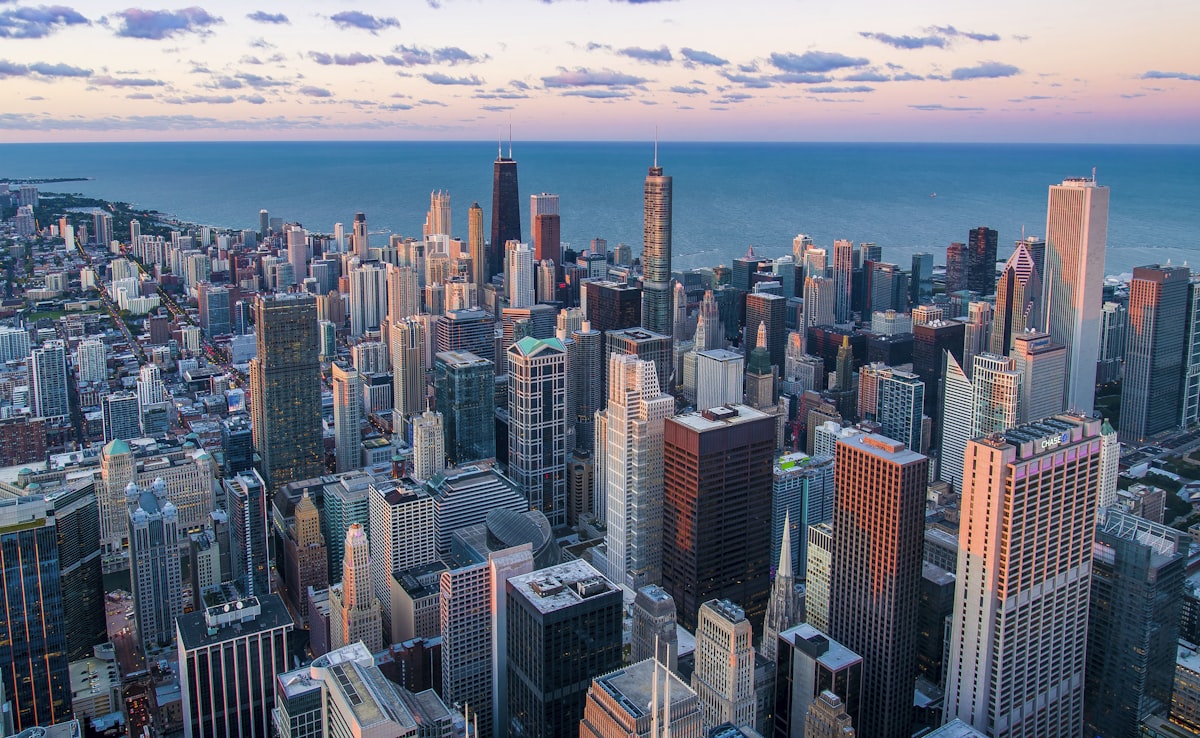
There is a running joke among Pittsburghers that the sun goes on vacation from November to April. While we love our city for its bridges, its sports teams, and its grit, we have to admit that our winters come with a very specific aesthetic: gray.
The "Pittsburgh Gray" isn't just a weather report; it's a lighting condition. For months, a thick blanket of clouds filters the sunlight, turning the vibrant world outside into a monochrome landscape of slate, steel, and charcoal. While this might make for cozy afternoons watching football, it wreaks havoc on interior design—specifically, on paint color. For professional interior painting services that account for Pittsburgh's unique lighting conditions,
If you have ever painted a room in July and loved it, only to find it looks dreary and depressing in January, you have experienced the phenomenon of metamerism. The light source dictates the color. In Pittsburgh, our primary winter light source is cool, diffused, and low-intensity.
This guide will dive deep into the science of how our unique winter light alters color perception. We will explain why that warm beige turned muddy, why your crisp white looks like a shadow, and how you can choose paint colors that stand up to the grayest skies the Steel City can throw at them.
The Physics of Color: Why Light is Boss
To understand why your living room walls change personality in the winter, we have to go back to high school physics.
We often think of color as an inherent property of an object. A red apple is red, right? Not quite. An object has no color of its own; it only has the capacity to absorb or reflect certain wavelengths of light. That apple absorbs every color of the rainbow except red, which it bounces back to your eye.
However, for the apple to bounce red light back to you, there must be red wavelengths in the light source hitting it.
The Spectrum of Pittsburgh Light
Sunlight is full-spectrum light. It contains all the colors. But clouds act as a filter.
Summer Sun: High, direct sunlight is warm and balanced. It enhances warm colors (yellows, reds, oranges) and makes cool colors (blues, greens) feel vibrant.
Pittsburgh Winter Sky: The heavy cloud cover filters out much of the warm end of the spectrum. The light that gets through is "cool"—heavy on blue and gray wavelengths. It is also "diffused," meaning it has no strong direction, eliminating the contrast that gives depth to colors.
When this cool, flat light hits your walls, it cannot reflect warm wavelengths that aren't there.
Result: A "warm" color like goldenrod yellow, which needs warm light to shine, will look dull, brown, or greenish.
Result: A "cool" color like icy blue, which reflects the blue light abundant in the gray sky, will look intensified and potentially freezing cold.
The "Gray Filter" Effect on Common Colors
Let's look at how specific color families behave when subjected to the Pittsburgh January filter. This will help you diagnose why a previous paint job might have failed or help you avoid a mistake on your next one. For guidance on selecting the right paint finishes for winter projects,
Whites and Off-Whites
White is the most reflective color, meaning it is the most susceptible to environmental influence. It is a mirror.
Summer: White reflects the green trees and blue sky, feeling fresh.
Winter: White reflects the gray sky and the gray snow.
The Pittsburgh Problem: If you paint a room "gallery white" or a cool, stark white in a north-facing Pittsburgh room, it will look like unpainted drywall in January. It will appear gray, shadowy, and dingy.
The Fix: You must choose off-whites with a creamy, yellow, or peach undertone (like Sherwin-Williams Alabaster or Benjamin Moore White Dove). The pigment in the paint adds the warmth that the sun is failing to provide.
Grays (The Irony)
Painting a room gray in a gray city seems logical, but it's tricky.
Cool Grays: Grays with blue undertones will look exceptionally blue in winter light. A room intended to be "modern concrete" can end up looking like a nursery for a baby boy.
Warm Grays (Greiges): Grays with beige or brown undertones are safer. They resist the blue shift of the winter light and maintain a neutral appearance.
Blues and Greens
These are "cool" colors, so you might think they work well with cool light. They do, but perhaps too well.
The Intensification: The blue-heavy winter light amplifies the blue pigment. A subtle, misty blue swatch can turn into an electric, overwhelming Smurf-blue on the walls.
The Gloom Factor: Dark greens and navy blues absorb a lot of light. In a season where light is scarce, a room painted in dark cool tones can feel cave-like and depressing unless balanced with excellent artificial lighting.
Reds, Oranges, and Yellows
These are the colors we crave in winter, but they suffer the most.
The Muddy Effect: Without warm sunlight to activate them, soft yellows turn into beige or tan. Terracotta can look like brown mud.
The Fix: You need to "over-correct." If you want a yellow room, choose a yellow that is slightly brighter and more saturated than you think you need. You need extra pigment to fight through the gray filter.
North-Facing vs. South-Facing Rooms in January
Even within the same house, the Pittsburgh gray sky affects rooms differently depending on their orientation.
North-Facing Rooms
These are the most challenging. They never receive direct sunlight, only indirect, cool light. In January, a north-facing room in Pittsburgh is essentially a light box for gray shadows.
Rule: Avoid cool colors here. No gray, no blue, no cool white.
Strategy: Embrace warm, saturated colors. This is the place for deep ochre, warm terracotta, or rich chocolate brown. If you want light walls, use a heavy cream.
South-Facing Rooms
These rooms get the most light, even in winter. On the rare day the sun breaks through the clouds over Mount Washington, these rooms will light up.
Rule: You have more freedom here.
Strategy: You can use cooler tones here because the southern exposure provides enough ambient warmth to balance them out. A pale blue or a crisp gray can look sophisticated here, whereas it would look dead in a north-facing room.
East and West (The Morning/Evening Shift)
East: Gets morning light (often gray in winter mornings). It needs warmth to wake up.
West: Gets afternoon light. In winter, sunset is early (around 5:00 PM). A west-facing room can benefit from colors that look good in dimming light, like warm reds or deep plums, which feel cozy as the day ends.
The Role of Artificial Lighting
Since the Pittsburgh sun is unreliable, we spend a lot of time with the lights on. Your artificial lighting is the only variable you can control completely. It acts as the "sun" for your paint colors.
When choosing paint, you must check the Kelvin (K) rating of your LED bulbs.
2700K - 3000K (Soft White / Warm White)
This is the standard for living rooms and bedrooms. It emits a yellow-orange glow.
Effect on Paint: It warms up colors. It makes reds and yellows pop. It neutralizes blues (making them grayer) and can turn white walls slightly yellow.
Winter Strategy: This is your best friend in January. It replaces the missing warmth of the sun. Paint colors that look "muddy" during the day will often look rich and inviting under 2700K bulbs at night.
3500K - 4100K (Cool White / Bright White)
Often used in kitchens and bathrooms.
Effect on Paint: It is more neutral. It renders colors more accurately but can feel a bit sterile.
Winter Strategy: Good for task areas, but if used in a living room with gray walls, it can make the space feel like a hospital waiting room.
5000K (Daylight)
This mimics noon sunlight—but it mimics blue daylight.
Effect on Paint: It is very cool and blue.
Winter Strategy: Avoid using 5000K bulbs in living spaces in Pittsburgh. We already have enough cool blue light coming in the windows. Adding 5000K bulbs makes the interior feel as cold as the exterior.
How to Test Colors for the "Pittsburgh Gray"
You cannot trust the paint chip in the hardware store. Those stores use industrial fluorescent lighting that has nothing in common with your home environment. You must test in situ, and you must test rigorously.
The Box Test
Painting a flat square on the wall isn't enough because it doesn't show you how the color reflects on itself in corners.
The Method: Paint the inside of a small cardboard box (like a shoebox) with your sample color. Place the box on a shelf or table in the room.
Why: This simulates how the color will look in the shadows and corners of the room. In low-light winter conditions, corners appear much darker than the center of the wall. The box test reveals if the color turns "muddy" in the shadows.
The Isolation Method
When you paint a swatch on a wall, your eye compares it to the existing wall color. If your current wall is yellow and you paint a gray swatch, the gray will look purple by comparison.
The Method: Paint your sample on a large poster board. Tape it to the wall, but put a border of white painter's tape around it, or leave a white border on the board.
Why: The white border isolates the color from the old wall, allowing your eye to see the true hue as it interacts with the light, not the old paint.
The 24-Hour Cycle
You need to see the paint in all phases of the Pittsburgh day.
Morning Gray (9 AM): This is the harshest test. Does the color look lively or dead?
Midday Gloom (1 PM): Does it hold its saturation?
Evening Artificial (7 PM): This is when you will see it most. Does it feel cozy?
The "Lights Off" Challenge
Turn off all the lamps during the day. Stand in the room.
The Question: Does the color absorb all the light and make the room feel small? Or does it have a high enough LRV (Light Reflectance Value) to bounce the little available light around?
The Tip: In Pittsburgh winters, aim for an LRV of 50-70 for main living areas to maximize brightness without washing out the room.
Color Psychology: Fighting SAD with Paint
Seasonal Affective Disorder (SAD) is real in Western PA. The lack of light affects our mood. Your wall color can be a therapeutic tool.
Warmth = Comfort
Our brains associate warm colors (yellow, orange, red) with heat and sunlight. In a cold climate, painting a room in a warm tone can actually make you feel physically warmer.
Idea: A "buttercream" kitchen or a "terracotta" dining room can stimulate appetite and conversation, countering the hibernation instinct.
Complexity = Interest
Because the light outside is flat and monotonous, you should avoid flat, monotonous paint colors.
Full Spectrum Paints: Some high-end brands offer "full spectrum" paints that use no black pigment. They are mixed using complementary colors. These paints are much more responsive to changing light and maintain their character better in low-light conditions than standard paints dulled with black.
Conclusion: Embrace the Atmosphere
We can't change the weather. The gray skies over Pittsburgh are a fact of life for half the year. But instead of letting the gray dictate a gloomy interior, you can use it as a design constraint to spark creativity.
By understanding that our winter light is cool and diffused, you can make smarter choices. Working with experienced interior painting professionals who understand Pittsburgh's lighting challenges ensures your color choices will look beautiful year-round. You can avoid the cool grays that turn icy, embrace the warm creams that mimic the sun, and use artificial lighting to create the atmosphere that nature is withholding.
When you choose a paint color that works with the Pittsburgh winter rather than against it, you create a home that feels like a sanctuary—a warm, inviting refuge where the gray stays firmly on the other side of the glass.