How to Choose the Right Paint for Pittsburgh's Winter Climate
How to Choose the Right Paint for Pittsburgh's Winter Climate
How to Choose the Right Paint for Pittsburgh's Winter Climate
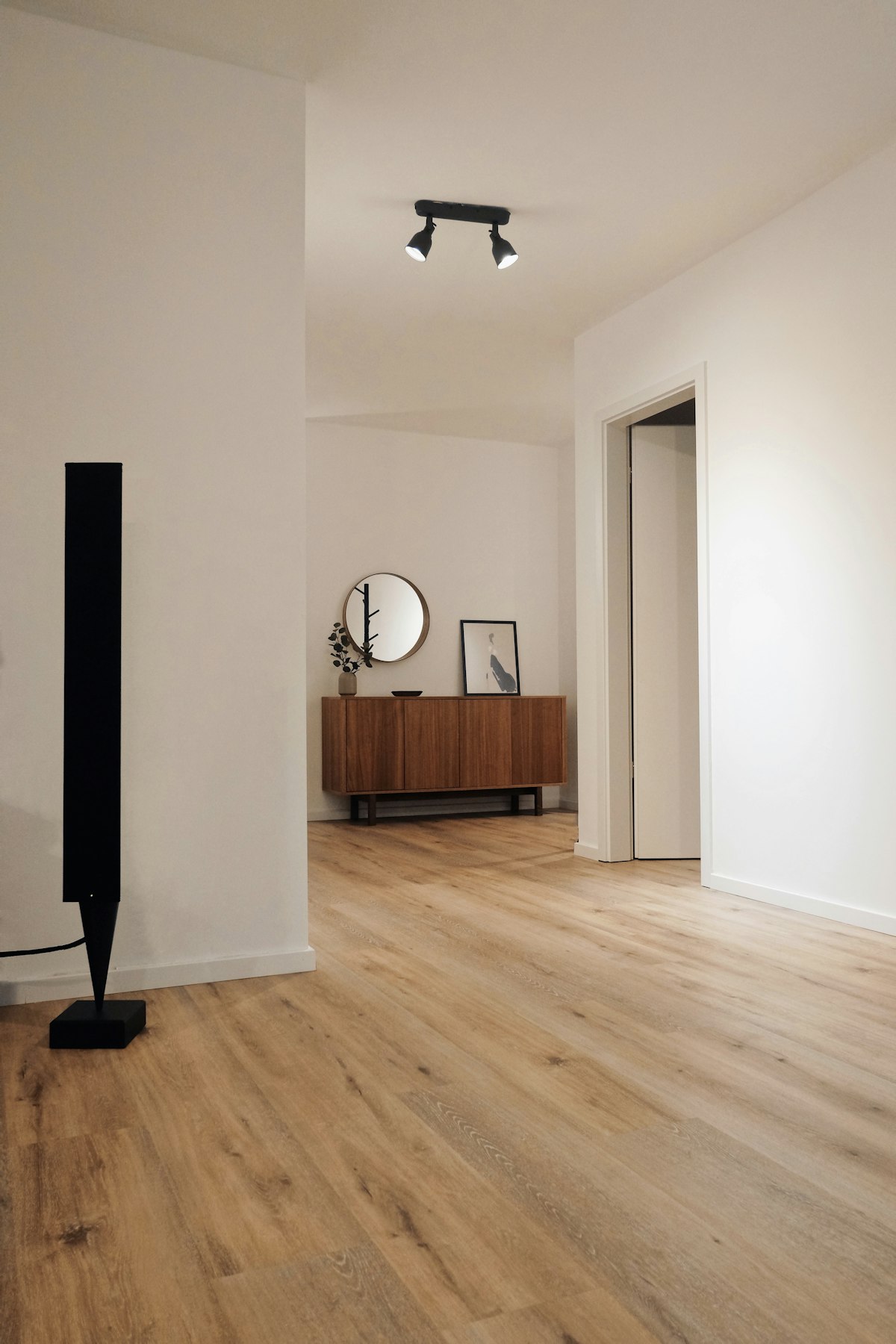
Painting your home's interior is a fantastic way to refresh your space, especially during the long, gray months of a Pittsburgh winter. With more time spent indoors, a new color can feel like a breath of fresh air. And from a technical standpoint, winter painting has a key advantage: the dry air from our furnaces helps paint cure harder and faster than in the humid summer months.
However, not all paint is created equal. The unique conditions of a Pittsburgh winter—cold surface temperatures, extremely dry air, and drafty older homes—can wreak havoc on the wrong type of paint. Choosing a can of paint based on color alone is a recipe for a frustrating project that might crack, peel, or show every brushstroke.
To ensure your winter project results in a durable, beautiful finish, proper preparation is essential. Our guide on prepping walls for cold weather painting covers the critical steps., you need to look beyond the color chip and consider the paint's formula. This guide will help you understand the science inside the can, so you can select the perfect paint, primer, and finish to conquer the challenges of painting in our specific winter climate.
The Winter Climate Challenge: What's Happening to Your Paint?
Before you can choose the right product, you need to understand the environmental forces at play in your home from January to March.
1. Low Surface Temperatures
Even if your thermostat is set to a cozy 70°F, the exterior walls of your home, especially in Pittsburgh's historic brick or uninsulated frame houses, can be much colder. If the wall surface dips below 50°F, most standard latex paints struggle. The chemical process of "coalescence"—where the paint's polymer particles fuse together to form a hard film—stalls out. The paint may feel dry to the touch, but it will never reach its maximum hardness, leaving it soft and easily damaged.
2. Extremely Dry Air
Your furnace is your best friend in January, but it is the enemy of a smooth paint job. Forced-air heat strips moisture from the air, often dropping indoor humidity levels below 30%. This has two main effects on paint:
Flash Drying: The water in latex paint evaporates almost instantly on contact with a dry wall. This doesn't give the paint time to level out, resulting in visible brush and roller marks (lap lines).
Shrinkage: The paint film shrinks as it dries rapidly, putting stress on the bond with the surface beneath.
3. Drafty Conditions
Cold drafts from old windows or poorly sealed baseboards can create cold spots on a wall. If wet paint is hit with a stream of 20°F air, it can shock the binders, causing adhesion failure or "flashing" (uneven sheen).
The right paint choice is about selecting a formula that is robust enough to handle these three challenges.
The Anatomy of a Paint Can: What Are You Buying?
All paints are made of four basic components. Understanding these helps you see why a $70 gallon often performs better than a $30 one in tough conditions.
Pigments: These provide the color and hiding power. Higher-quality paints have more titanium dioxide, which offers better coverage.
Binders (Resins): This is the glue that holds the pigment together and makes the paint stick to the wall. It's the most important component for durability. Premium paints use higher-quality acrylic resins that are more flexible and form a stronger bond.
Solvents (Liquids): In latex paint, this is primarily water. It keeps the paint fluid enough to apply.
Additives: These are the secret ingredients. They include things like leveling agents (to reduce brush marks), mildewcides, and flow enhancers.
In winter, you want a paint with high-quality binders and a good package of additives to counteract the cold and dryness.
Latex vs. Oil-Based: The Winter Showdown
For interior walls, the choice is almost always latex (water-based) paint. However, for trim, doors, and cabinets, the debate continues.
Latex (Water-Based) Paint
Pros: Low odor, easy cleanup, fast drying time, flexible.
Winter Challenge: Highly susceptible to temperature. The water solvent can freeze or dry too quickly.
Solution: You need a high-quality "100% acrylic" latex paint. Cheaper "vinyl acrylic" paints are less flexible and perform poorly in the cold. Look for a premium formula from a reputable brand.
Oil-Based (Alkyd) Paint
Pros: Creates a rock-hard, smooth finish. Levels out beautifully, showing no brush marks. Adheres well to difficult surfaces.
Winter Challenge: The strong odor from the mineral spirit solvents is a major issue when you can't open windows for ventilation. Curing time is also longer.
Solution: Reserved for specialty applications like priming tough stains or for a glass-like finish on trim. If you must use oil, plan to ventilate the house well with fans and perhaps stay elsewhere for a night.
The Modern Compromise: Waterborne Alkyds (Hybrids)
This is the best of both worlds and an excellent choice for winter projects.
What they are: These paints use a plant-based alkyd resin suspended in water.
Pros: They offer the smooth, hard finish of an oil-based paint but with the low odor and easy cleanup of a latex paint.
Best Use: Perfect for trim, doors, and kitchen cabinets. They provide the durability needed for these high-impact areas without filling your home with fumes.
Winter Verdict: For walls, use a premium 100% acrylic latex. For trim and doors, strongly consider a waterborne alkyd.
Choosing the Right Primer for Winter Conditions
Primer is the essential foundation of your paint job, and its role is even more critical in winter. Do not skip it.
Why Prime in Winter?
Seals Surfaces: Dry winter air sucks moisture out of everything. Primer seals porous surfaces like new drywall or spackle, preventing the topcoat from drying too quickly and flashing.
Ensures Adhesion: In fluctuating temperatures, a good primer acts as a tenacious double-sided tape, gripping the wall and providing the perfect surface for the paint to grab onto.
Types of Primer and Their Winter Uses
Latex Primers: A good all-purpose latex primer is fine for routine jobs where you are painting over a similar existing color.
Stain-Blocking Primers (Oil or Shellac-Based): These are non-negotiable in two specific Pittsburgh scenarios:
Old Homes: If you are painting over old, dark wood trim or walls with potential water stains, a latex primer won't cut it. Tannins from the wood and salts from the water will bleed through. You need a shellac-based primer like BIN or an oil-based one like Kilz Original.
Soot: Homes with gas fireplaces or lots of candles can have invisible soot on the walls. Shellac-based primers are the only way to permanently seal this in.
Adhesion Primers: If you are painting over a glossy surface (like old oil-based paint), a specialized adhesion-promoting primer is necessary to give the new paint something to bite into.
The Ultimate Winter Weapon: Paint Conditioners
If you take away one pro tip from this guide, let it be this: use a paint conditioner.
Products like Floetrol (for latex paint) are additives that you mix into your paint before you start. They are essential for winter painting.
What they do: They slow down the drying process without thinning the paint.
The Benefit: This counteracts the "flash drying" caused by the dry winter air. It gives the paint more time to "level out" on the wall, virtually eliminating brush and roller marks. It makes the paint feel creamier and easier to work with, especially on large walls where keeping a wet edge is difficult.
Using a conditioner is the single best way to achieve a professional, spray-like finish with a brush and roller in a dry winter environment.
Decoding Paint Lines: What to Look for at the Store
Navigating the aisles of a paint store can be overwhelming. Here's how to interpret the different tiers of paint offered by major brands like Sherwin-Williams and Benjamin Moore.
The "Good, Better, Best" Model
Most brands have three tiers of interior paint:
Contractor-Grade / "Good" (e.g., Sherwin-Williams ProMar 400, Benjamin Moore Super Spec): These are builder-grade paints with lower solids and cheaper binders. They are designed for new construction where cost is the primary driver. Avoid these for a winter repaint. They do not have the durability or additive package to handle the challenging conditions.
Mid-Grade / "Better" (e.g., Sherwin-Williams SuperPaint, Benjamin Moore Regal Select): This is the sweet spot for most homeowners. These paints offer a great balance of performance and price. They use high-quality 100% acrylic binders and have good coverage. Regal Select, in particular, is known for its excellent leveling properties.
Premium / "Best" (e.g., Sherwin-Williams Duration or Emerald, Benjamin Moore Aura): These are the top-of-the-line paints. They contain the highest quality binders, the most pigment, and advanced additives for stain resistance and washability.
Winter Advantage: While expensive, paints like Aura and Duration are engineered for toughness. Their superior binders are more flexible at lower temperatures, and their formulas are more forgiving, making them an excellent (though pricey) choice for winter projects.
Recommendation: For the best results in a Pittsburgh winter, invest in at least a mid-grade paint. The extra $20 per gallon is worth it in performance and longevity.
Selecting the Right Finish (Sheen)
The paint's finish determines its durability and washability. For more guidance on choosing the right paint finishes for Pittsburgh winters,, which are key concerns in winter when muddy boots and wet coats are a daily reality.
Matte/Flat: Offers a beautiful, velvety look that hides imperfections in old plaster walls. However, traditional matte is not washable. For high-traffic winter areas, you must upgrade to a premium "Washable Matte" like Aura Bath & Spa.
Eggshell: The go-to for most living areas and hallways. It has a very low luster that balances aesthetics with decent washability for minor scuffs.
Satin: The workhorse for high-abuse areas. Its subtle sheen indicates a tighter, more resinous surface that is highly scrubbable. This is the ideal choice for mudrooms, entryways, kitchens, and bathrooms that see heavy winter use.
Semi-Gloss: Too shiny for walls, but essential for trim, baseboards, and doors. These surfaces take the brunt of impacts from boots and vacuums. The hard, slick surface of semi-gloss provides the necessary protection.
A Practical Checklist for Your Winter Paint Purchase
Satin: The workhorse for high-abuse areas. Its subtle sheen indicates a tighter, more resinous surface that is highly scrubbable. This is the ideal choice for mudrooms, entryways, kitchens, and bathrooms that see heavy winter use.
Semi-Gloss: Too shiny for walls, but essential for trim, baseboards, and doors. These surfaces take the brunt of impacts from boots and vacuums. The hard, slick surface of semi-gloss provides the necessary protection.
A Practical Checklist for Your Winter Paint Purchase
A Practical Checklist for Your Winter Paint Purchase
Next time you head to the paint store, use this checklist:
Primer: Do I need a standard latex primer, or am I dealing with stains, soot, or glossy surfaces that require a specialized shellac or oil-based primer?
Wall Paint: I will choose a 100% acrylic latex paint from a mid-grade or premium line.
Trim Paint: I will use a durable waterborne alkyd for a hard, smooth finish on my doors and baseboards.
Finish: I will use Eggshell for general living areas, Satin for my high-traffic entryway and kitchen, and Semi-Gloss for all my trim.
Additives: I will purchase a bottle of paint conditioner (like Floetrol) to add to my latex paint to improve flow and eliminate brush marks in the dry air.
Conclusion: The Right Formula for a Flawless Finish
Choosing paint in winter is about more than just finding the perfect color to combat the gray skies. It's about understanding the science in the can and selecting a product with the right DNA to survive the cold, dry, and demanding conditions of a Pittsburgh home.
By investing in a high-quality, 100% acrylic paint with professional interior painting services, using the correct primer for your situation, and leveraging the power of a paint conditioner, you are arming yourself against the most common winter painting failures. The result will be a beautiful, durable finish that not only brightens your home in the short term but also stands the test of time, looking great long after the spring thaw arrives.