Winter Painting Myths Pittsburgh Homeowners Still Believe
Introduction: Why These Myths Persist
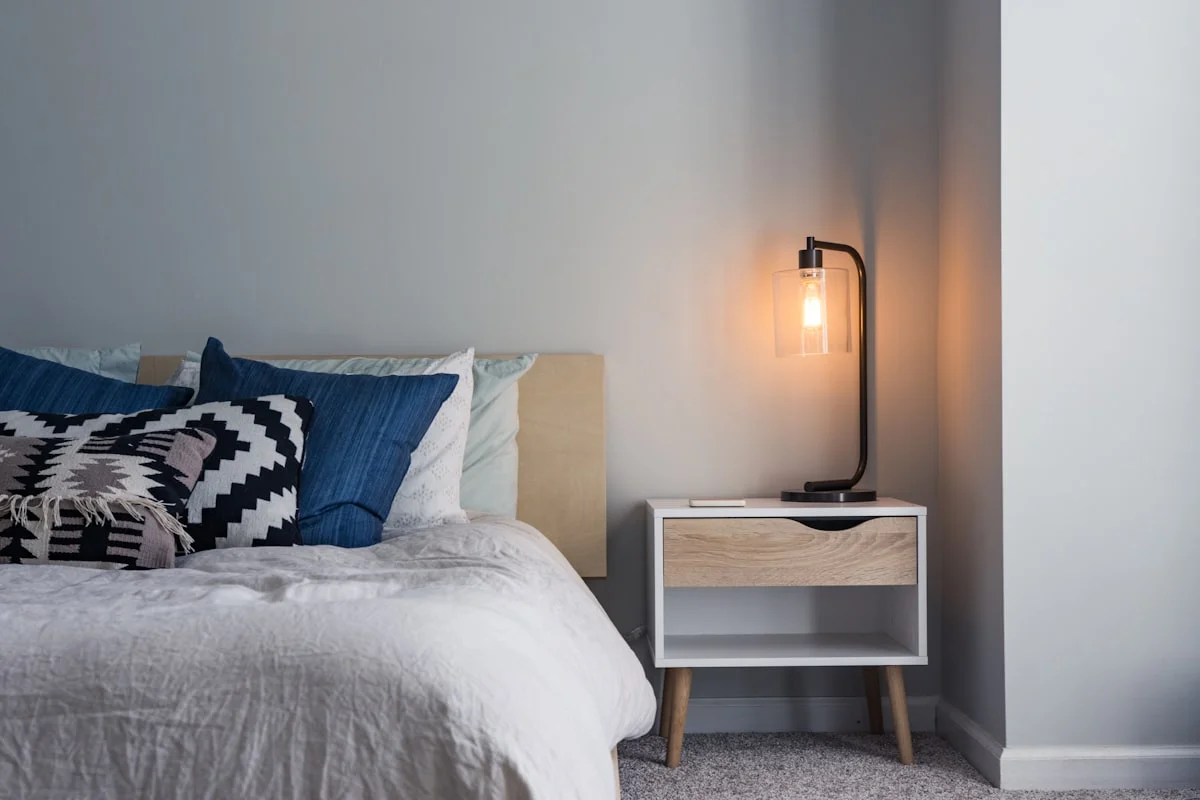 Every winter, Pittsburgh homeowners postpone interior painting projects based on myths that simply aren't true. These persistent misconceptions cause thousands of local homeowners to miss out on what might actually be the best time of year for their painting projects.
The myths about winter painting have roots in legitimate concerns from decades past—concerns that modern paint technology, HVAC systems, and professional techniques have rendered obsolete. Yet these outdated beliefs continue to circulate, preventing homeowners from taking advantage of winter's genuine advantages.
Throughout Allegheny County—from the historic homes of Shadyside to the newer developments in Cranberry—homeowners delay projects that could be completed now, under excellent conditions, with convenient scheduling. Meanwhile, professional painters know the truth: winter interior painting often produces superior results to summer work.
In this comprehensive guide, we'll examine the ten most persistent winter painting myths, explain why each one is wrong, and provide the factual information you need to make informed decisions about your painting projects. By the end, you'll understand why experienced Pittsburgh painters often prefer winter work—and why you should consider it too.
Let's separate fact from fiction and bust these myths once and for all.
---
Myth #1: You Can't Paint When It's Cold Outside
 The Myth: "It's too cold to paint in winter. You need warm weather for painting."
Why People Believe It: This myth conflates exterior and interior painting. Exterior painting does have temperature restrictions because paint is directly exposed to outdoor conditions. This legitimate concern for outdoor work has incorrectly been applied to indoor projects.
The Myth: "It's too cold to paint in winter. You need warm weather for painting."
Why People Believe It: This myth conflates exterior and interior painting. Exterior painting does have temperature restrictions because paint is directly exposed to outdoor conditions. This legitimate concern for outdoor work has incorrectly been applied to indoor projects.
The Truth
Outdoor temperature is irrelevant for interior painting. What matters is the temperature inside your home—and that's completely controlled by your heating system. Here's the reality:- Paint manufacturers recommend application temperatures between 50°F and 85°F
- Your heated Pittsburgh home maintains 65-72°F regardless of outdoor weather
- The walls, ceilings, and surfaces you're painting are at room temperature
- Outdoor conditions have no impact on your controlled indoor environment
Pittsburgh-Specific Reality
Pittsburgh's homes are built for cold weather. Our heating systems are robust, our homes are well-insulated, and maintaining 68-70°F indoors is exactly what we do every winter. This creates perfect painting conditions—conditions that exist for approximately six months of the year.
Professional painters serving Squirrel Hill, Mt. Lebanon, Fox Chapel, and communities throughout Western PA paint interiors all winter long, achieving excellent results every time.---
Myth #2: Paint Won't Dry Properly in Winter
 The Myth: "Paint doesn't dry well in cold weather. You'll end up with a tacky, never-quite-dry finish."
Why People Believe It: People associate winter with moisture—snow, rain, damp conditions. They assume this translates to slower drying indoors.
The Myth: "Paint doesn't dry well in cold weather. You'll end up with a tacky, never-quite-dry finish."
Why People Believe It: People associate winter with moisture—snow, rain, damp conditions. They assume this translates to slower drying indoors.
The Truth
Paint actually dries faster in winter than in summer. This isn't a minor difference—it's significant enough to substantially reduce project timelines. Here's why:The key factor in paint drying is humidity, not temperature (within normal ranges). Heated air is dry air. When your furnace heats cold winter air, the relative humidity drops dramatically—often to 25-40% inside Pittsburgh homes.
Compare this to summer:- Summer indoor humidity: 55-75% (even with AC)
- Winter indoor humidity: 25-40%
Actual Drying Time Comparison
| Drying Stage | Summer (High Humidity) | Winter (Low Humidity) |
|---|---|---|
| Touch dry | 3-4 hours | 1-2 hours |
| Ready for second coat | 6-8 hours | 3-4 hours |
| Light use possible | 8-12 hours | 4-6 hours |
The Curing Advantage
Beyond initial drying, the 30-day cure period also proceeds better in winter's consistently dry conditions. Paint that cures properly develops:
- Greater hardness
- Better washability
- Improved durability
- Longer lifespan
---
Myth #3: You Need to Open Windows for Ventilation
 The Myth: "You have to open windows when painting for ventilation. That's impossible in a Pittsburgh winter."
Why People Believe It: This belief has legitimate historical roots. Older paint formulations contained high levels of volatile organic compounds (VOCs) that required substantial ventilation. Opening windows was genuinely necessary with those products.
The Myth: "You have to open windows when painting for ventilation. That's impossible in a Pittsburgh winter."
Why People Believe It: This belief has legitimate historical roots. Older paint formulations contained high levels of volatile organic compounds (VOCs) that required substantial ventilation. Opening windows was genuinely necessary with those products.
The Truth
Modern paints have dramatically reduced VOC levels, eliminating the need for open-window ventilation. The evolution of paint technology:- Pre-1990s paints: High VOC content, strong odors, ventilation essential
- Low-VOC paints (modern standard): Drastically reduced compounds, minimal odor
- Zero-VOC paints (widely available): Virtually no emissions, nearly odorless
Winter Ventilation Options
Even with low-VOC paints, some air exchange can be beneficial. Winter provides adequate options:
- HVAC system: Your furnace continuously circulates and filters air
- Bathroom exhaust fans: Run fans in nearby bathrooms for air exchange
- Kitchen range hood: Provides ventilation without opening windows
- Brief window opening: If needed, briefly crack a window in an adjacent room (not the painted room)
---
Myth #4: Paint Fumes Will Be Trapped Inside
The Myth: "With the house closed up, paint fumes have nowhere to go. You'll be breathing toxic fumes all winter." Why People Believe It: This is closely related to Myth #3 and stems from the same historical context. People remember the strong odors of older paints and worry about being trapped indoors with them.The Truth
Modern low-VOC and zero-VOC paints produce minimal fumes, and what little exists dissipates quickly—actually faster in winter's dry air than in humid summer conditions. Understanding VOCs:VOCs (Volatile Organic Compounds) are chemicals that evaporate from paint during and after application. They're responsible for "paint smell" and were the legitimate concern behind old ventilation requirements.
Modern paint reality:| Paint Type | VOC Content | Odor Level |
|---|---|---|
| Traditional (pre-1990s) | 300-500 g/L | Strong, persistent |
| Low-VOC (modern standard) | <50 g/L | Mild, brief |
| Zero-VOC | <5 g/L | Minimal to none |
Dissipation in Winter vs. Summer
Here's a counter-intuitive fact: Paint odors typically dissipate faster in winter than summer.Why? The same low humidity that speeds paint drying also speeds off-gassing of any remaining VOCs. Dry air absorbs and disperses these compounds more efficiently than humid air.
Safety Assurance
Modern interior paints are formulated for safety:- Meet strict EPA standards
- Designed for occupied homes
- Safe around children and pets (after initial drying)
- Many are GreenGuard certified for indoor air quality
---
Myth #5: Winter Painting Costs More
The Myth: "Painters charge more in winter" or "Winter painting has hidden costs that make it more expensive." Why People Believe It: Some people assume contractors charge premiums for "off-season" work or that heating costs during a project add significantly to expenses.The Truth
Winter painting typically costs the same as—or less than—summer painting. Why pricing is consistent:- Professional painting companies interior painting services maintain year-round pricing
- Labor costs don't change with seasons
- Material costs don't vary seasonally
- Equipment and supplies remain constant
| Cost Factor | Summer | Winter | Advantage |
|---|---|---|---|
| Base pricing | Standard | Standard | Tie |
| Promotions/discounts | Rare | Sometimes offered | Winter |
| Scheduling flexibility | Limited | Excellent | Winter |
| Project duration | Longer | Shorter | Winter |
| Energy impact | AC working harder | Minimal change | Winter |
The Hidden Costs That Don't Exist
Let's address specific cost concerns: "Heating costs will increase significantly" Reality: You're already heating your home. Brief door openings for equipment have negligible impact—probably less than $10-20 for an entire project. "Project will take longer, increasing labor costs" Reality: Projects actually complete faster in winter due to quicker drying times. "Painters charge premiums for winter work" Reality: Most painters prefer winter's excellent conditions. No premium is charged.Potential Winter Savings
Some painting companies offer winter incentives to keep crews busy during slower booking periods. You might find:
- Seasonal promotions
- More negotiating flexibility
- Included services that cost extra in peak season
- Better scheduling options without premium charges
---
Myth #6: Professional Painters Don't Work in Winter
The Myth: "Good painters are off in winter. They only work during painting season." Why People Believe It: Exterior painting slows dramatically in winter, so people assume all painting work stops. They may also assume painters vacation during cold months.The Truth
Professional painting companies work year-round, and many painters actually prefer winter interior work. Why professionals love winter painting:- Better conditions: Low humidity and consistent temperatures produce excellent results
- Manageable schedules: Without the frantic pace of spring/summer, crews can focus on quality
- Satisfied customers: Superior results lead to happy clients and referrals
- Year-round income: Interior work provides steady income through winter months
The Scheduling Advantage
Winter offers significant scheduling benefits for homeowners:| Scheduling Factor | Peak Season (Spring/Summer) | Winter |
|---|---|---|
| Wait time for estimates | 1-3 weeks | Days to 1 week |
| Project start wait | 4-8 weeks | 1-3 weeks |
| Preferred date availability | Limited | Excellent |
| Flexibility for changes | Difficult | Easy |
| Contractor attention | Divided | Focused |
Crew Quality
Here's something many homeowners don't realize: In winter, you're more likely to get a company's most experienced crews.
During peak season, high demand sometimes means work gets distributed across more teams. In winter, senior painters handle projects from start to finish, providing:
- Greater expertise
- More attention to detail
- Better communication
- Superior craftsmanship
At Fagan Painting about Fagan Painting, our most experienced painters appreciate winter work for the quality-focused pace it allows.
---
Myth #7: Paint Quality Suffers in Cold Weather
The Myth: "Paint applied in winter doesn't look as good or last as long." Why People Believe It: This may stem from instances of improper exterior painting in cold weather, where quality genuinely does suffer. People incorrectly apply this to interior work.The Truth
Interior paint quality is often better in winter due to optimal drying and curing conditions. Quality factors that improve in winter: Sheen Consistency: Paint dries more evenly in low humidity, producing uniform sheen across surfaces. The "flashing" (uneven sheen) common in humid conditions is minimized. Adhesion: Dry conditions support better paint adhesion to surfaces. The bond formed in winter's low humidity is often stronger than in summer's moisture-rich air. Film Formation: The coalescence process (where paint particles fuse into a continuous film) proceeds optimally in winter conditions. Long-Term Durability: The 30-day curing period benefits from consistent low humidity, producing a harder, more durable finish.Evidence from Professionals
Professional painters notice the difference:
- Fewer callbacks for touch-ups on winter projects
- Better reviews and customer satisfaction from winter work
- Longer intervals before customers need repainting
- More consistent results across projects
---
Myth #8: Your House Will Smell for Weeks
The Myth: "Since you can't air out the house, paint smell will linger for weeks or months." Why People Believe It: Memories of strong-smelling paint from decades ago persist, combined with the assumption that closed winter houses trap odors indefinitely.The Truth
Modern low-VOC paints produce minimal odor that dissipates within hours—not weeks. Timeline for odor dissipation:| Time After Painting | Odor Level with Low-VOC Paint |
|---|---|
| During application | Mild, noticeable |
| 2-4 hours | Significantly reduced |
| 24 hours | Barely noticeable |
| 48-72 hours | Essentially gone |
| 1 week | No detectable odor |
Winter's Faster Odor Dissipation
Here's something surprising: Odors typically dissipate faster in winter than summer.Dry air absorbs and disperses volatile compounds more efficiently than humid air. The same low humidity that speeds paint drying also accelerates the release and dispersal of any residual odors.
Strategies for Scent-Sensitive Households
If anyone in your household is particularly sensitive to odors:
- Request zero-VOC products—they're readily available and perform excellently
- Plan painting during daytime when you can stay in other areas
- Run bathroom exhaust fans for additional air movement
- Consider timing when family members can be away during painting
- Use portable air purifiers if desired
---
Myth #9: Heating Costs Will Skyrocket
The Myth: "Having painters in and out with doors open will send my heating bill through the roof." Why People Believe It: This seems logical on the surface—open doors mean heat escaping, right?The Truth
The impact on your heating bill is negligible—likely less than $10-20 for an entire project. Here's the reality:- Doors are open briefly for carrying in equipment and materials
- This happens at the start and end of each work day
- Total open-door time is measured in minutes, not hours
- Professional painters minimize heat loss automatically
- Your furnace quickly recovers the minimal heat loss
The Math
Let's do the calculation:- Average winter heat loss rate through open exterior door: ~35,000 BTU/hour
- Time door is open during a painting project: ~10-15 minutes total per day
- Cost of natural gas: ~$1.00 per 100,000 BTU
- Total additional cost per day: ~$0.05-0.10
- Multi-day project total impact: $0.50 or less
Professional Heat Conservation
Experienced painters automatically minimize heat loss:
- Stage materials inside before starting
- Use quick, efficient trips
- Never leave doors propped open unnecessarily
- Protect doorways with temporary barriers if needed
- Plan trips to minimize door openings
---
Myth #10: You Can't Paint Certain Rooms in Winter
The Myth: "Some rooms like bathrooms or bedrooms can't be painted in winter." Why People Believe It: People worry about humidity in bathrooms or ventilation needs in bedrooms. They assume these challenges are insurmountable in winter.The Truth
All interior rooms can be successfully painted in winter. Some require simple accommodations, but none present insurmountable challenges.Room-by-Room Truth
Bathrooms:- Concern: High humidity from showers
- Reality: Schedule painting when bathroom can be out of service for 24-48 hours. Avoid hot showers during cure time. Bathroom exhaust fans handle any ventilation needs.
- Winter advantage: Base humidity is lower, so paint actually cures better once bathroom returns to normal use.
- Concern: Can't sleep there same night
- Reality: With low-VOC paint, most bedrooms can be used same night. If concerned, plan one night using another bedroom.
- Winter advantage: Faster drying means quicker room availability.
- Concern: Cooking activities
- Reality: Coordinate painting around meal prep. Range hood provides ventilation if needed.
- Winter advantage: Cabinet painting cabinet painting benefits enormously from winter's low humidity—cures harder and more durable.
- Concern: Family use during project
- Reality: Fast winter drying means rooms are usable sooner.
- Winter advantage: Perfect time to refresh for holiday gatherings.
- Concern: Potential dampness, cooler temperatures
- Reality: Ensure adequate heating (space heater if needed). Use dehumidifier if basement is damp.
- Winter advantage: Heated basements provide good conditions; dehumidifier creates excellent low-humidity environment.
The Professional Approach
Experienced painters like our team at Fagan Painting handle winter room challenges routinely:- We assess each room's specific conditions
- We recommend appropriate scheduling
- We ensure proper ventilation without compromising your comfort
- We coordinate around your family's needs
---
The Truth About Winter Interior Painting
Now that we've debunked the myths, let's summarize the reality of winter interior painting in Pittsburgh.Winter Advantages Summary
| Factor | The Truth |
|---|---|
| Temperature | Heated homes provide optimal 65-72°F conditions |
| Humidity | 25-40% indoor humidity is ideal for painting |
| Drying Time | Faster than summer (2-4 vs 6-8 hours between coats) |
| Ventilation | HVAC circulation is sufficient with modern paints |
| Odor | Minimal with low-VOC; dissipates faster in dry air |
| Cost | Same or potentially lower than summer |
| Availability | Better scheduling, more attention from contractors |
| Quality | Often superior due to optimal curing conditions |
| Room Access | All rooms paintable with simple accommodations |
Why Professional Pittsburgh Painters Prefer Winter
The professionals who paint Pittsburgh homes year-round understand what many homeowners don't:
- Predictable conditions allow consistent quality
- Low humidity produces superior results
- Stable temperatures support optimal curing
- Manageable schedules enable thorough, careful work
- Customer satisfaction is consistently high
What This Means for You
If you've been postponing an interior painting project because of winter-related concerns, you can stop waiting. The myths holding you back aren't true. Winter offers genuine advantages for interior painting—advantages that can result in:- Better quality results
- Faster project completion
- More flexible scheduling
- Equal or lower costs
- Superior long-term durability
---
Frequently Asked Questions
Is it really okay to paint inside during a Pittsburgh winter?
Absolutely. Interior painting conditions depend on your indoor environment, not outdoor weather. Your heated Pittsburgh home maintains temperatures of 65-72°F with humidity of 25-40%—optimal conditions for paint application and curing. Professional painters complete excellent interior projects throughout the winter months.
Won't the paint smell be unbearable with windows closed?
No. Modern low-VOC and zero-VOC paints produce minimal odor. What little smell exists dissipates within hours—actually faster in winter's dry air than in humid summer conditions. Most homeowners comfortably use painted rooms the same day with today's paint formulations.
Do painters really work in winter?
Yes. Professional painting companies work year-round, and many painters actually prefer winter interior work. Low humidity and consistent temperatures produce excellent results. Winter often means better scheduling availability and more focused attention from experienced crews.
Will winter painting cost more?
No. Professional painting companies maintain consistent pricing year-round. You might actually find better value in winter through promotional offers, more negotiating flexibility, and shorter project timelines due to faster drying.
Can I paint my bathroom in winter?
Absolutely. Schedule painting when the bathroom can be out of service for 24-48 hours, avoid hot showers during that time, and use the bathroom exhaust fan for ventilation. Winter's low base humidity actually helps bathroom paint cure properly.
How long does winter painting take compared to summer?
Winter projects typically complete faster because paint dries more quickly in low humidity. A room that might need overnight drying between coats in summer often needs only 3-4 hours in winter. Multi-room projects can finish days sooner.
Is paint quality really better in winter?
Yes, often. Low humidity produces more consistent sheen, better adhesion, and optimal film formation. The 30-day curing period proceeds well in winter's stable conditions, potentially producing a harder, more durable finish than summer-cured paint.
What about paint fumes and my family's health?
Modern low-VOC paints are formulated for safety and produce minimal fumes. Zero-VOC options are available for maximum peace of mind. EPA-compliant paints are designed for occupied homes and are safe around children and pets after initial drying.
Should I adjust my thermostat during painting?
Maintain your normal settings (65-72°F). The consistent temperatures you keep for comfort are exactly what the painting project needs. Avoid dramatic day/night temperature changes during active painting and the following week.
How much will my heating bill increase?
Negligibly—likely less than $10 for an entire project. Doors open briefly for equipment and material transport. Professional painters minimize heat loss automatically. The impact is far less than daily door openings for normal household activities.
---
---
Ready to Bust These Myths for Your Home?
Now you know the truth: the myths about winter painting are exactly that—myths. Pittsburgh homeowners who understand the reality are already taking advantage of winter's ideal conditions for interior painting while others wait unnecessarily for spring.At Fagan Painting, we've been helping homeowners throughout Shadyside, Squirrel Hill, Mt. Lebanon, Fox Chapel, Cranberry, and communities across Allegheny County transform their homes in winter for over two decades. Our fully insured professional crews deliver the spotless preparation, premium Sherwin-Williams and Benjamin Moore products, and clean job sites that Pittsburgh families deserve.
Don't let outdated myths keep you from the beautiful home you want. Winter offers genuine advantages for interior painting—faster drying, superior curing, flexible scheduling, and focused professional attention. Every day you wait is a day you're not enjoying your refreshed spaces. Contact Fagan Painting today for your free winter interior painting estimate. contact us Call (412) 680-0102 or request your estimate online. Let's bust these myths together and transform your Pittsburgh home this winter.