What You Should Know About Exterior Painting Projects
Exterior painting is one of the most impactful home improvements you can make. A fresh coat of paint protects your home from the elements, boosts curb appeal, and can significantly increase property value. But before you start your Pittsburgh exterior painting project, there's essential information every homeowner should understand to ensure success and long-lasting results.
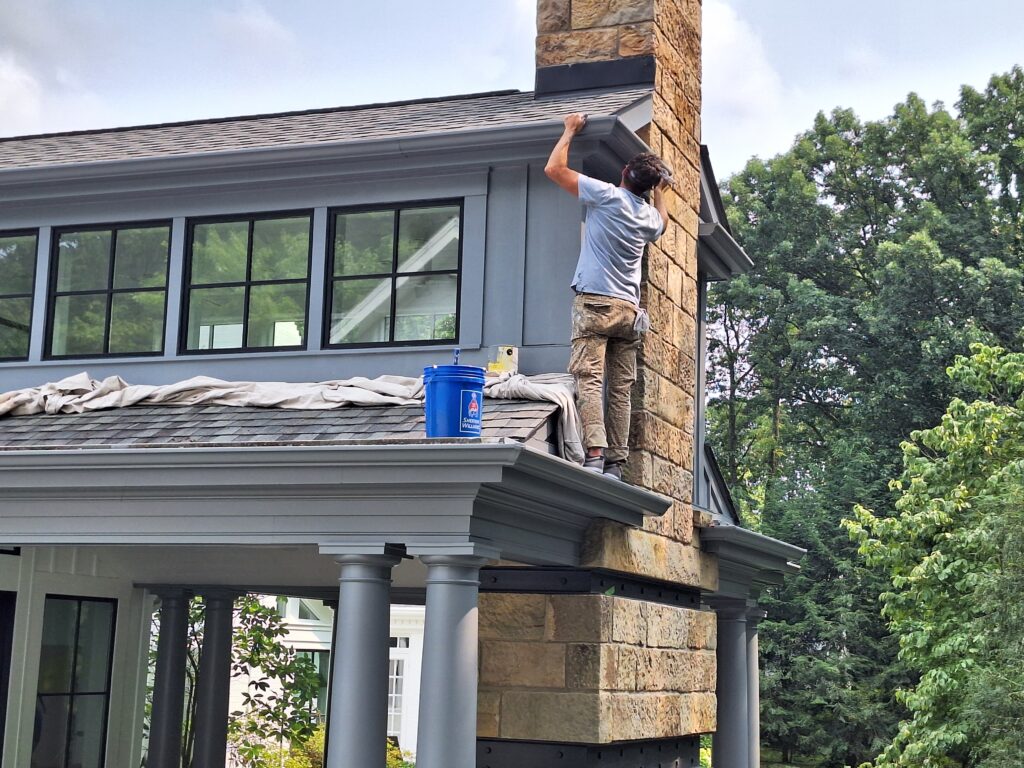
Understanding Pittsburgh's Climate Challenges
Pittsburgh's weather presents unique challenges for exterior painting that every homeowner should consider. Our region experiences significant temperature swings, humid summers, harsh winters, and frequent precipitation—all of which affect paint performance and longevity.
Temperature Considerations
Paint requires specific temperature ranges to cure properly:
- Minimum temperature: Most exterior paints require 50°F or higher
- Maximum temperature: Above 90°F can cause too-rapid drying
- Surface temperature: Even more important than air temperature
- Night temperatures: Should stay above 50°F for 24-48 hours after application
In Pittsburgh, this means the prime exterior painting season runs from late April through October, with May, June, and September often offering the most consistent conditions.
Humidity and Moisture
Pittsburgh's humidity levels can interfere with paint adhesion and drying. Professional painters monitor humidity carefully, as levels above 50% can cause problems including:
- Extended drying times
- Poor adhesion
- Blistering and bubbling
- Moisture trapped under paint film
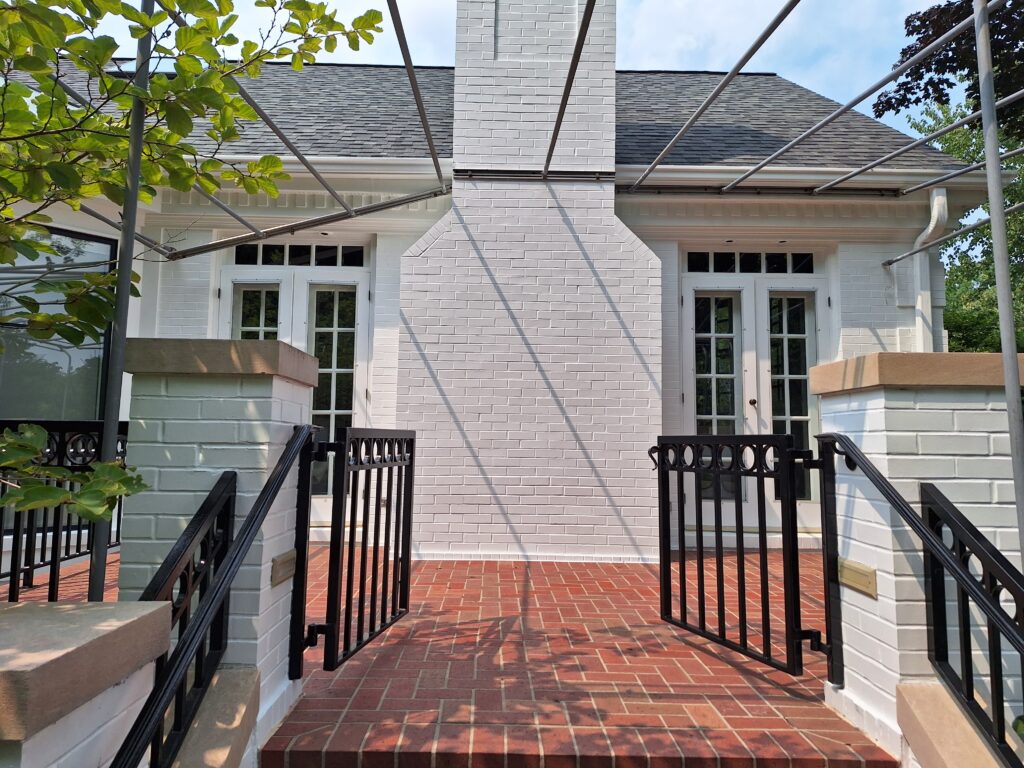
Preparation: The Foundation of Lasting Results
Proper preparation is the most critical factor in any Pittsburgh exterior painting project. It accounts for approximately 80% of the job's success and directly determines how long your paint will last.
Power Washing
Before any painting begins, surfaces must be thoroughly cleaned. Power washing removes:
- Dirt and environmental pollutants
- Mold, mildew, and algae (common in Pittsburgh's humidity)
- Chalky paint residue
- Spider webs and insect debris
- Loose paint and flaking material
Surfaces need 24-48 hours to dry completely after power washing before painting can begin.
Scraping and Sanding
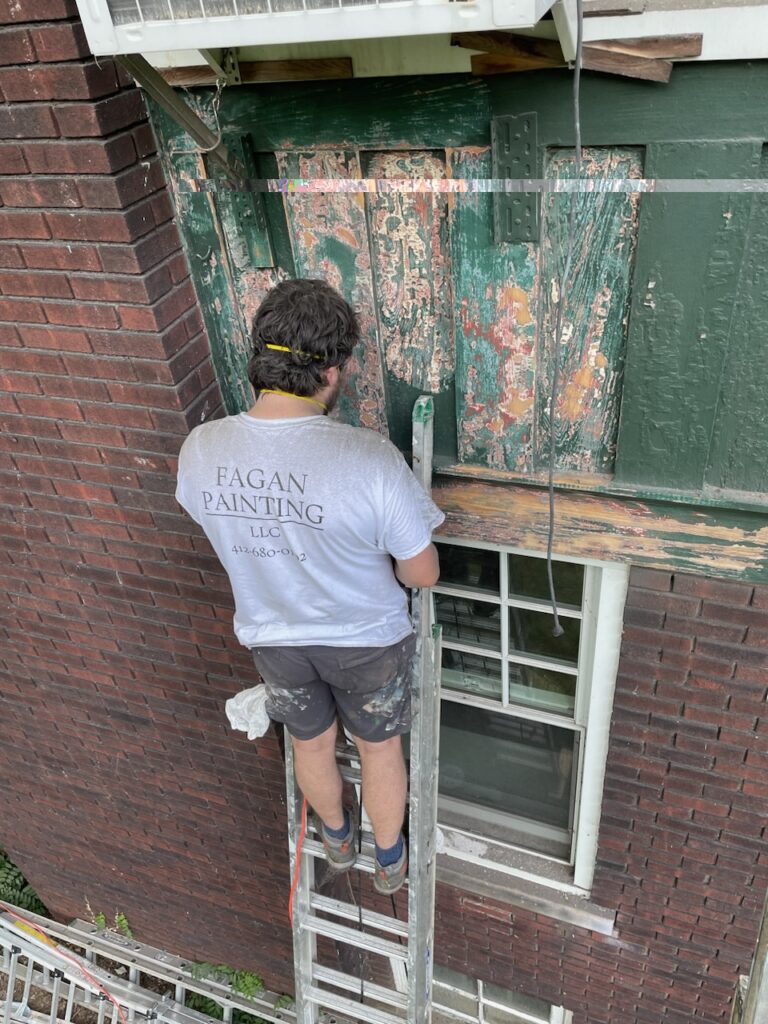
Any loose, peeling, or flaking paint must be removed. Professional painters carefully scrape and sand to create a sound surface for new paint to adhere to. This step is especially important on older Pittsburgh homes where multiple paint layers have accumulated over decades.
Repairs and Caulking
A thorough preparation includes:
- Wood repair: Replacing rotted boards, filling holes, and addressing damage
- Caulking: Sealing gaps around windows, doors, and trim joints
- Priming: Bare wood and problem areas require primer for proper adhesion
- Hardware removal: Light fixtures, house numbers, and decorative elements
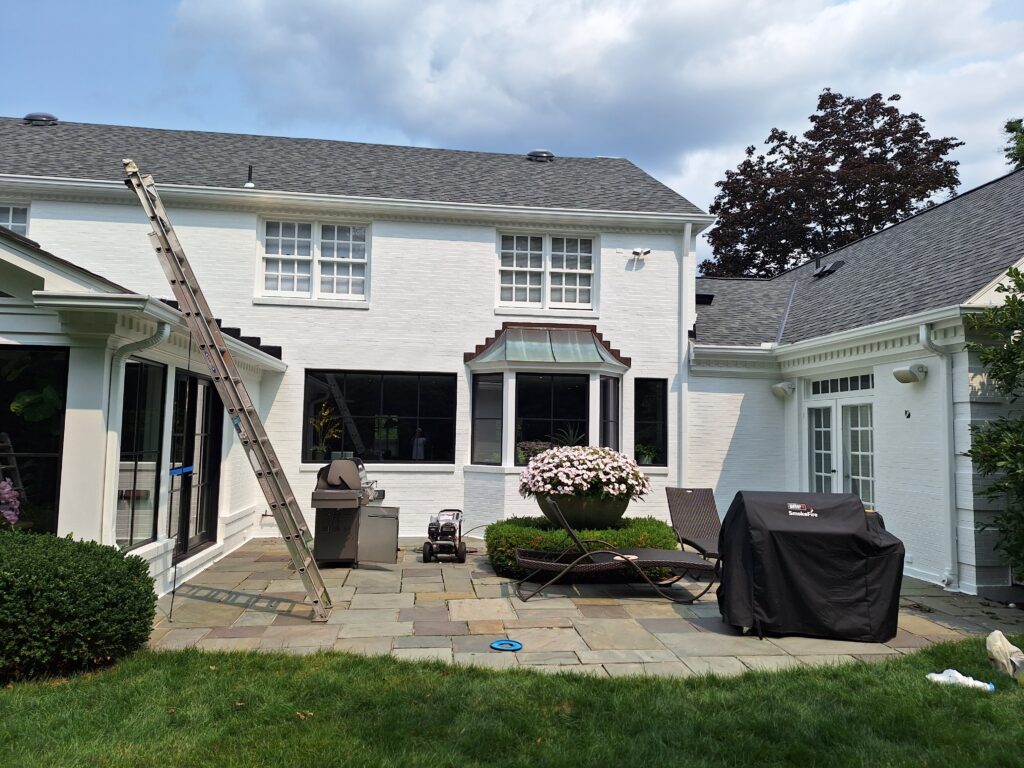
Choosing the Right Exterior Paint
Not all exterior paints are created equal, and choosing the right product for your Pittsburgh home makes a significant difference in durability and appearance.
Paint Quality Matters
Premium exterior paints offer superior:
- Adhesion: Better bonding to properly prepared surfaces
- Flexibility: Expanding and contracting with temperature changes
- UV resistance: Maintaining color longer despite sun exposure
- Mildew resistance: Critical in Pittsburgh's humid environment
- Coverage: Often requiring fewer coats
At Fagan Painting, we use premium products from Sherwin-Williams that are specifically formulated for our regional climate conditions.
Sheen Selection
Exterior paint comes in various sheens, each with advantages:
- Flat/Matte: Hides imperfections, best for siding on older homes
- Satin: Slight sheen, easier to clean, good all-purpose choice
- Semi-Gloss: Durable and easy to clean, ideal for trim and doors
- Gloss: Maximum durability, typically reserved for front doors and accents
Color Considerations
When selecting exterior colors for your Pittsburgh home:
- Consider your home's architectural style and era
- Look at neighborhood context and any HOA requirements
- Account for fixed elements like roof color, stone, and brick
- Remember that colors appear different in sunlight than in store lighting
- Test colors on your actual exterior before committing
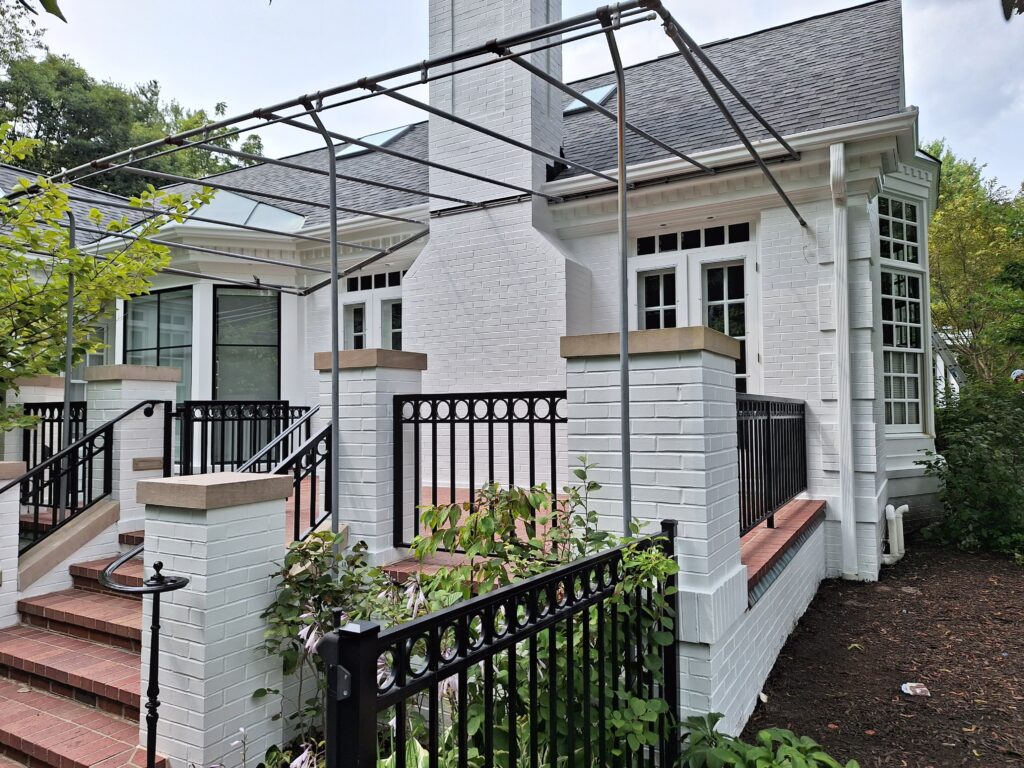
What to Expect During an Exterior Painting Project
Understanding the process helps you plan and sets realistic expectations for your Pittsburgh exterior painting project.
Timeline
A typical exterior painting project takes 3-7 days depending on:
- Home size and complexity
- Amount of preparation required
- Weather conditions
- Number of colors and detail work
Weather delays are common and should be expected. Professional painters build flexibility into their schedules to account for Pittsburgh's unpredictable conditions.
The Professional Process
A quality exterior painting project follows this general sequence:
- Day 1-2: Setup, power washing, and initial repairs
- Day 2-3: Scraping, sanding, priming, and additional repairs
- Day 3-4: First coat application
- Day 4-5: Second coat application
- Day 5-6: Trim, detail work, and final touch-ups
- Final Day: Cleanup, walkthrough, and project completion
What You Should Do
To ensure a smooth project:
- Move vehicles from the driveway and work areas
- Trim bushes and plants away from the house
- Remove or secure items near exterior walls
- Inform neighbors about the upcoming work
- Plan for painters to need access to water and electricity
Cost Factors for Exterior Painting
Understanding what affects pricing helps you budget appropriately and evaluate quotes for your Pittsburgh exterior painting project.
Primary Cost Factors
- Home size: Larger homes require more paint and labor
- Number of stories: Multi-story homes require more equipment and time
- Surface condition: Extensive prep work increases costs
- Architectural detail: Complex trim and features add labor time
- Paint quality: Premium paints cost more but last longer
- Color change: Dramatic changes may require additional coats
- Accessibility: Difficult-to-reach areas require more time
Getting Accurate Estimates
When getting quotes from Pittsburgh painting contractors:
- Get at least three written estimates
- Ensure all quotes include the same scope of work
- Ask about preparation work specifically
- Inquire about paint brands and quality levels
- Request references from recent exterior projects
- Verify licensing, insurance, and warranties
Maintaining Your Exterior Paint
Proper maintenance extends the life of your Pittsburgh exterior painting project significantly.
Annual Maintenance Tasks
- Inspect all painted surfaces for damage, peeling, or wear
- Clean siding gently to remove dirt and mildew
- Check caulking around windows and doors
- Address any chips or damage promptly
- Trim vegetation away from painted surfaces
- Clean gutters to prevent water damage
Signs It's Time to Repaint
Watch for these indicators that your exterior needs attention:
- Cracking, peeling, or flaking paint
- Chalking (powdery residue when touched)
- Fading or uneven color
- Mold or mildew that won't clean away
- Exposed wood or substrate
- Damaged or missing caulk
Frequently Asked Questions About Exterior Painting
How long does exterior paint last in Pittsburgh?
Quality exterior paint properly applied typically lasts 7-10 years in Pittsburgh. Factors affecting longevity include paint quality, surface preparation, sun exposure, and maintenance. South and west-facing surfaces may need attention sooner due to increased UV exposure.
What's the best time of year to paint exteriors in Pittsburgh?
Late spring through early fall offers the best conditions, with May, June, and September typically ideal. Temperatures should be consistently between 50-85°F, with low humidity and no rain in the forecast for 24-48 hours after application.
Can you paint over old exterior paint?
Yes, if the existing paint is in good condition and properly prepared. However, loose, peeling, or failing paint must be removed. In some cases, particularly with very old or damaged surfaces, complete stripping may be necessary.
How many coats does exterior painting require?
Most exterior projects require two coats for optimal coverage and durability. Primer is also needed on bare wood, repaired areas, and when making significant color changes. Professional painters assess each surface to determine the appropriate number of coats.
Should I DIY or hire a professional for exterior painting?
Exterior painting involves significant safety risks from working at heights, requires specialized equipment, and demands expertise for lasting results. For most homeowners, hiring a professional is strongly recommended—the quality, safety, and longevity benefits far outweigh the cost difference.
What warranty should I expect on exterior painting?
Reputable contractors typically offer 2-5 year workmanship warranties. Paint manufacturers may offer additional product warranties. At Fagan Painting, we stand behind our work and address any issues that arise.
How do I prepare my home for exterior painters?
Move vehicles, trim vegetation near the house, remove or secure outdoor items, and ensure access to water and electricity. Professional painters handle all surface preparation—you don't need to wash, scrape, or prime beforehand.
What's included in a professional exterior painting estimate?
A complete estimate should specify: power washing, repairs, priming, number of coats, paint brand and product, areas to be painted, timeline, and warranty. Beware of estimates that seem low—they often exclude crucial preparation work.
Start Your Exterior Painting Project
A successful Pittsburgh exterior painting project requires proper timing, thorough preparation, quality materials, and professional execution. Understanding these factors helps you make informed decisions and achieve results that protect and beautify your home for years to come.
At Fagan Painting LLC, we bring over 15 years of experience to every exterior project. Our team understands Pittsburgh's unique climate challenges and uses proven techniques and premium materials to deliver lasting results.
Ready to transform your home's exterior? Contact us for a free estimate. We serve Pittsburgh and surrounding communities including Squirrel Hill, Fox Chapel, Upper St. Clair, and throughout the region.