The potential risks and hazards of DIY painting and how a professional house painter can mitigate them
Every homeowner has considered it at some point: "How hard can painting really be?" The DIY approach to home improvement has surged in popularity, fueled by countless YouTube tutorials and the promise of saving money. However, when it comes to painting your Pittsburgh home, the gap between a professional finish and a DIY disaster is wider than most people realize. Understanding the potential risks and hazards of DIY painting—and how a professional Pittsburgh house painter can mitigate them—could save you money, time, and even your health.
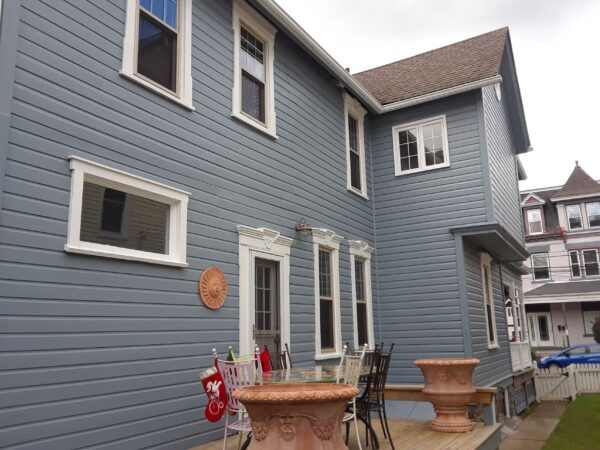
The Hidden Dangers of DIY Painting
While painting might seem straightforward, the reality involves numerous risks that most homeowners don't anticipate until they're already in trouble. From physical dangers to health hazards to costly mistakes, DIY painting carries risks that extend far beyond an imperfect finish.
Fall Hazards and Ladder Accidents
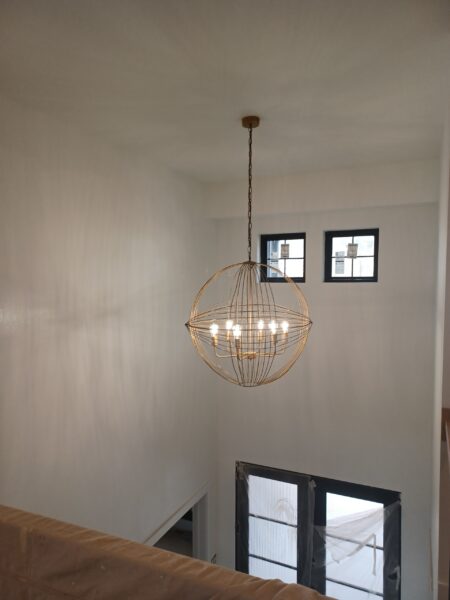
Falls are the leading cause of DIY home improvement injuries, and painting is one of the most common activities where these accidents occur. Painting often requires working at heights—reaching ceilings, painting stairwells, or tackling exterior projects.
According to the American Academy of Orthopedic Surgeons, more than 500,000 people are treated for ladder-related injuries each year, with many resulting in serious fractures, head injuries, or worse. Common ladder mistakes include:
- Overreaching instead of repositioning the ladder
- Using the wrong ladder for the height required
- Setting up on uneven surfaces without proper stabilization
- Carrying paint and tools while climbing
- Fatigue leading to loss of balance after extended work
A professional Pittsburgh house painter has proper training in ladder safety, uses commercial-grade equipment, and often employs scaffolding systems that provide stable, secure platforms for working at heights.
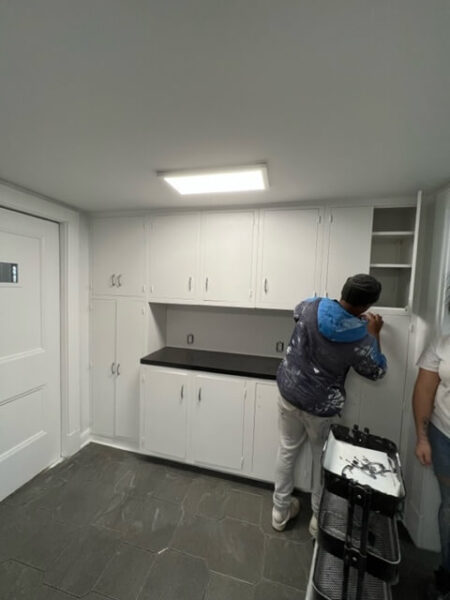
Exposure to Toxic Chemicals
Modern paints have become safer than their predecessors, but they still contain chemicals that require proper handling and ventilation. The risks are even greater when dealing with older Pittsburgh homes that may have lead-based paint.
Lead Paint Hazards
Homes built before 1978 likely contain lead paint, and disturbing this paint through sanding, scraping, or even painting over it improperly can release toxic lead dust. Lead exposure causes serious health problems including:
- Neurological damage, especially in children
- Kidney problems
- Reproductive issues
- Cardiovascular complications
Professional painters are trained in EPA RRP (Renovation, Repair, and Painting) requirements and use certified lead-safe work practices when working in older homes.
VOCs and Fumes
Volatile Organic Compounds (VOCs) in paints can cause:
- Headaches and dizziness
- Respiratory irritation
- Eye and skin irritation
- Long-term health effects with prolonged exposure
Professional painters understand proper ventilation requirements and know when to use low-VOC or zero-VOC products for sensitive environments.
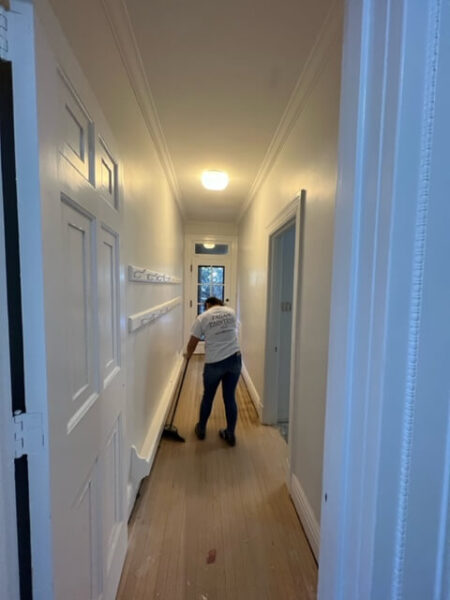
Common DIY Painting Mistakes That Cost Money
Beyond physical hazards, DIY painting often leads to expensive mistakes that end up costing more than hiring a professional in the first place.
Poor Surface Preparation
The most common and costly DIY mistake is inadequate surface preparation. Eager to see color on the walls, many homeowners rush through or skip prep work entirely. The results are predictable:
- Paint peeling within months
- Uneven coverage and visible imperfections
- Stains bleeding through new paint
- Adhesion failure requiring complete repainting
A professional Pittsburgh house painter knows that proper preparation accounts for 80% of a successful paint job. They take the time to clean, sand, prime, and repair before painting—steps that ensure lasting results.
Wrong Paint Selection
Choosing the wrong paint is another expensive mistake. This includes:
- Wrong sheen for the application (flat in bathrooms, high-gloss on walls)
- Exterior paint inside or interior paint outside
- Cheap paint that requires multiple coats and fails quickly
- Incompatible products that don't adhere properly
Professional painters understand paint chemistry and know exactly which products work best for each situation, climate condition, and surface type.
Improper Application Techniques
Even with the right paint and proper prep, poor application leads to disappointing results:
- Brush and roller marks from improper technique
- Drips and runs from overloading
- Uneven coverage from inconsistent application
- Lap marks from poor wet-edge maintenance
- Cutting-in errors around trim and edges
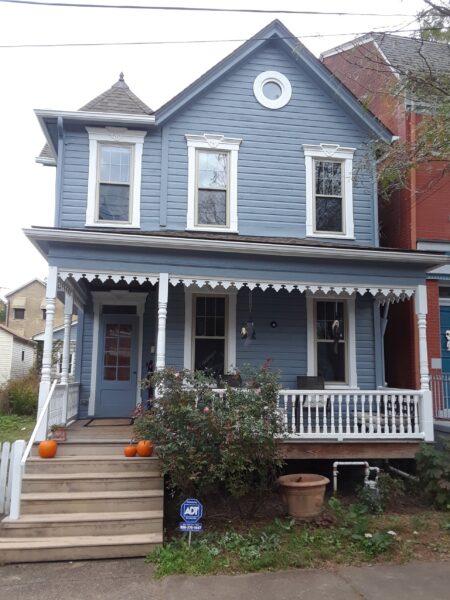
How Professional Painters Mitigate These Risks
Hiring a professional Pittsburgh house painter eliminates virtually all DIY painting risks while delivering superior results.
Training and Experience
Professional painters bring years of experience and ongoing training to every project. They understand:
- Proper safety protocols and equipment use
- Surface preparation requirements for different materials
- Paint chemistry and product selection
- Application techniques for flawless results
- Problem-solving when unexpected issues arise
Proper Equipment and Insurance
Professionals invest in commercial-grade equipment including:
- Professional ladders and scaffolding systems
- High-quality brushes, rollers, and spray equipment
- Safety gear including respirators and fall protection
- Proper drop cloths and masking materials
Additionally, licensed painters carry liability insurance and workers' compensation coverage, protecting you from financial responsibility if accidents occur on your property.
Guaranteed Results
Reputable painting contractors stand behind their work with warranties covering both materials and workmanship. If any issues arise, they return to make it right—at no additional cost to you.
When DIY Makes Sense vs. When to Call a Professional
There are limited situations where DIY painting might be appropriate:
DIY May Be Reasonable For:
- Small touch-up work in easily accessible areas
- Single accent walls at ground level
- Craft projects or furniture painting
- Practice walls in garages or basements
Always Hire a Professional For:
- Any work requiring ladders or scaffolding
- Exterior painting of any kind
- Homes built before 1978 (potential lead paint)
- Large-scale interior projects
- Specialty finishes or textures
- Commercial or rental properties
- Any work where quality truly matters
The True Cost Comparison
When evaluating DIY vs. professional painting, consider the full picture:
Hidden DIY Costs:
- Paint and supplies (often over-purchased)
- Tools and equipment you'll rarely use again
- Your time (dozens of hours for a typical project)
- Fixing mistakes or repainting prematurely
- Potential medical expenses from injuries
- Damage to flooring, furniture, or fixtures
Professional Value:
- Expert results that last years longer
- No risk of injury to yourself or family
- Your time preserved for work, family, and activities you enjoy
- Warranty protection and peace of mind
- Enhanced home value from quality workmanship
Frequently Asked Questions About DIY vs. Professional Painting
Is DIY painting really that dangerous?
While many DIY painting projects are completed without incident, the statistics on ladder accidents and chemical exposure are sobering. Falls from ladders result in over 300 deaths annually, and countless more serious injuries. The risks increase significantly with exterior work, multi-story homes, and older properties with lead paint.
How much money can I really save by painting myself?
The savings are often less than expected. When you factor in materials, equipment, your time, and the likelihood of mistakes requiring correction, DIY savings typically amount to 30-40% at best. Meanwhile, you assume all the risk and often achieve results that last half as long.
What should I look for when hiring a professional painter?
Look for licensed, insured contractors with strong references and reviews. Ask about their preparation process, the products they use, and their warranty. A reputable painter like Fagan Painting will be happy to explain their process and provide references from recent projects.
How do I know if my home has lead paint?
Homes built before 1978 should be assumed to contain lead paint unless testing proves otherwise. Professional painters can arrange for testing or follow lead-safe practices as a precaution. DIY disturbing potential lead paint without proper precautions is extremely risky.
Can a professional painter work around my schedule?
Absolutely. Professional painters are accustomed to working in occupied homes and can schedule around your needs. This flexibility is especially valuable compared to DIY projects that can drag on for weeks.
What if I've already started a DIY project and it's not going well?
Professional painters regularly rescue DIY projects gone wrong. While there may be additional work required to correct issues, it's usually better to call for help than to compound problems. Contact us for a free assessment of your situation.
Is professional painting worth it for rental properties?
Especially so. Professional results last longer between tenants, present better for showings, and the liability protection is particularly valuable for investment properties. Many landlords find professional painting more economical over time.
How can I maintain my professionally painted surfaces?
Professional painters can advise on maintenance specific to your project. Generally, this includes gentle cleaning, prompt attention to any chips or damage, and understanding when touch-ups are needed versus full repainting.
Choose Safety and Quality
The risks and hazards of DIY painting extend far beyond a less-than-perfect finish. From ladder accidents to toxic exposure to expensive mistakes, the true cost of doing it yourself often exceeds the investment in professional work.
At Fagan Painting LLC, we've been helping Pittsburgh homeowners avoid these risks for over 15 years. Our experienced team delivers safe, efficient, beautiful results backed by our commitment to customer satisfaction.
Ready to experience the peace of mind that comes with professional painting? Contact us for a free estimate. We serve Pittsburgh and surrounding communities including Squirrel Hill, Fox Chapel, Oakland, and throughout the region.