The impact of proper surface preparation on the longevity of your paint job and why you should hire a professional painter
When it comes to painting your home, whether interior or exterior, the secret to a long-lasting, beautiful finish lies not in the paint itself, but in what happens before the first drop of color touches your walls. Surface preparation is the foundation of every successful paint job, and it's the primary reason why professional Pittsburgh painters consistently deliver results that outlast DIY attempts by years.
At Fagan Painting, we've seen firsthand how proper preparation transforms ordinary paint jobs into lasting investments. Understanding why surface preparation matters—and why you should hire a professional Pittsburgh painter to do it right—can save you thousands of dollars and countless headaches over the life of your home.
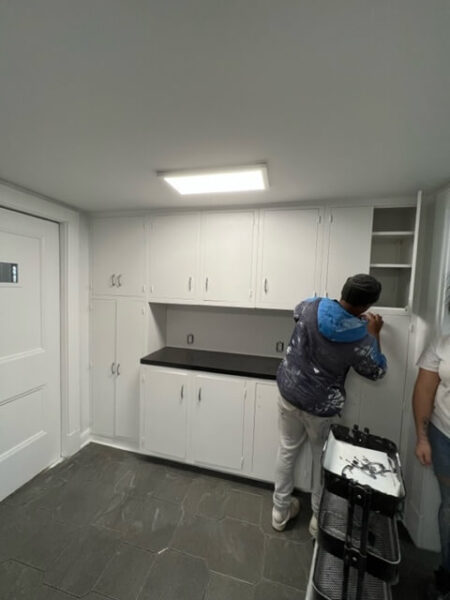
Why Surface Preparation is Critical for Paint Longevity
Many homeowners focus on selecting the perfect paint color and sheen, overlooking the preparation work that will determine whether that beautiful color lasts five years or fifteen. Here's the truth: preparation accounts for approximately 80% of a successful paint job's quality and durability.
How Paint Adhesion Works
Paint doesn't simply stick to surfaces—it forms a mechanical and chemical bond with the substrate beneath it. For this bond to form properly, the surface must be:
- Clean — Free of dust, dirt, grease, and contaminants that prevent adhesion
- Sound — Without loose paint, flaking, or deteriorating material
- Smooth — Properly sanded to create a profile for paint to grip
- Dry — Moisture prevents proper curing and adhesion
- Compatible — Primed appropriately for the type of paint being applied
When any of these conditions isn't met, paint adhesion suffers, leading to premature failure regardless of how expensive or high-quality the paint may be.
The Consequences of Poor Preparation
Skipping or rushing surface preparation leads to predictable problems:
- Peeling and flaking within months of application
- Bubbling and blistering from trapped moisture
- Stains bleeding through from water damage, smoke, or tannins
- Visible imperfections magnified by fresh paint
- Uneven sheen and coverage across surfaces
- Reduced paint lifespan by 50% or more
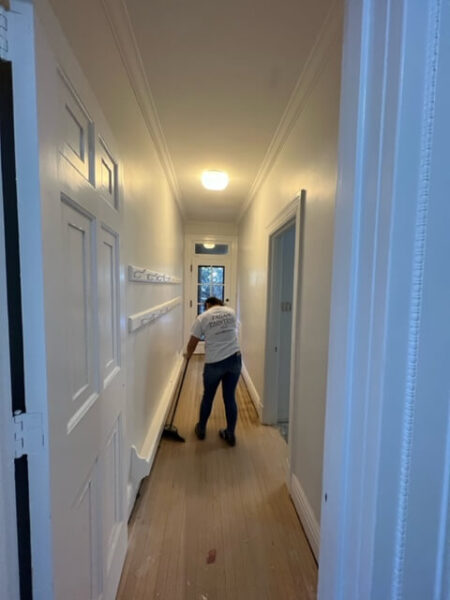
The Professional Preparation Process
When you hire a professional Pittsburgh painter, you're paying for a systematic preparation process developed through years of experience. Here's what thorough surface preparation includes:
1. Initial Assessment and Planning
Professional painters begin by carefully assessing every surface to be painted. This includes:
- Identifying the type and condition of existing coatings
- Checking for moisture issues, mold, or mildew
- Noting repairs needed (holes, cracks, damaged areas)
- Testing for lead paint in older Pittsburgh homes
- Evaluating adhesion of existing paint
- Determining appropriate products and techniques
2. Cleaning Surfaces
Before any sanding or priming begins, surfaces must be thoroughly cleaned. For exterior work, this typically involves professional power washing to remove:
- Dirt and environmental deposits
- Mold, mildew, and algae (common in Pittsburgh's humid climate)
- Chalky paint residue
- Loose paint and debris
- Spider webs and insect nests
Interior cleaning focuses on removing dust, grease (especially in kitchens), nicotine stains, and other contaminants that would prevent paint adhesion.
3. Repairing Damage
Professional painters are skilled at identifying and repairing damage that homeowners often overlook:
- Filling nail holes and small cracks with appropriate fillers
- Addressing drywall damage including dings, dents, and larger holes
- Replacing rotted wood on exterior trim and siding
- Caulking gaps around windows, doors, and trim joints
- Treating and preventing rust on metal surfaces
- Addressing moisture issues before they cause further damage
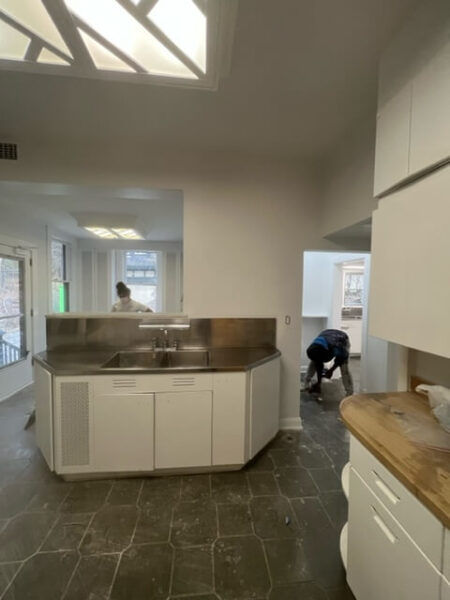
4. Sanding and Deglossing
Sanding creates the "tooth" or profile that paint needs to grip properly. Professional painters understand which grit sandpaper to use for different situations:
- Heavy sanding (60-80 grit) for rough surfaces and peeling paint
- Medium sanding (100-150 grit) for general surface preparation
- Light sanding (180-220 grit) for between-coat preparation
- Deglossing for previously painted glossy surfaces
5. Priming
Primer is perhaps the most misunderstood aspect of painting. Professional painters know that primer serves multiple critical functions:
- Sealing porous surfaces for even paint absorption
- Blocking stains from bleeding through topcoats
- Providing adhesion between incompatible surfaces and paint
- Improving coverage especially for dramatic color changes
- Enhancing durability of the total paint system
Different situations require different primers—and using the wrong primer can cause failures just as surely as skipping it entirely.
Why DIY Preparation Often Falls Short
Many homeowners approach painting with good intentions but lack the knowledge, tools, and patience required for proper preparation. Common DIY shortcomings include:
Lack of Proper Equipment
Professional painters invest thousands of dollars in specialized equipment:
- Commercial power washers with appropriate pressure settings
- Professional-grade sanders and vacuums
- Quality brushes, rollers, and spray equipment
- Proper safety equipment and fall protection
Underestimating Time Requirements
Preparation takes time—often more time than the actual painting. Homeowners typically underestimate how long proper prep takes and cut corners to stay on schedule.
Difficulty Identifying Issues
Experience teaches painters what to look for. A professional might immediately spot moisture damage, old lead paint, or adhesion issues that a homeowner would miss entirely.
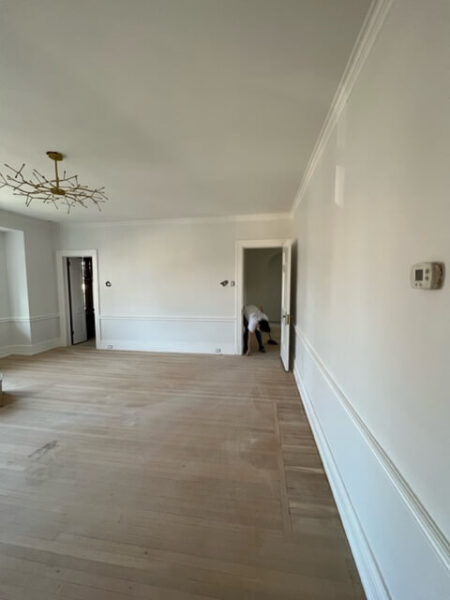
The Long-Term Value of Professional Preparation
When you hire a professional Pittsburgh painter who prioritizes preparation, you're making an investment that pays dividends for years:
Extended Paint Life
Properly prepared and painted surfaces last 2-3 times longer than poorly prepared ones. In Pittsburgh's challenging climate—with its humidity, temperature extremes, and freeze-thaw cycles—this difference is even more pronounced.
Better Appearance
Professional preparation creates a smoother, more uniform surface that showcases paint colors beautifully. Every imperfection addressed before painting is one you won't see afterward.
Reduced Maintenance
When paint is properly applied to properly prepared surfaces, you'll spend less time and money on touch-ups and repairs over the years.
Protected Investment
Your home is likely your largest investment. Proper painting protects structural elements from moisture, UV damage, and deterioration—especially important for Pittsburgh's older housing stock.
Special Considerations for Pittsburgh Homes
Pittsburgh's unique characteristics create specific preparation challenges that professional painters understand:
Older Homes and Lead Paint
Many Pittsburgh homes were built before lead paint was banned in 1978. Professional painters are trained in EPA-certified lead-safe work practices and know when testing and special precautions are required.
High Humidity
Pittsburgh's humid summers create conditions where moisture-related paint failures are common. Professionals ensure surfaces are dry enough for painting and select appropriate products for humid conditions.
Temperature Fluctuations
Our region's dramatic temperature swings stress paint systems. Proper preparation and flexible, high-quality paints help surfaces withstand these conditions.
Brick and Masonry
Many Pittsburgh homes feature brick that requires specialized cleaning and preparation techniques different from wood or vinyl siding.
What to Look for in a Professional Painter
Not all painters prioritize preparation equally. When hiring a professional Pittsburgh painter, look for these qualities:
- Detailed estimates that itemize preparation work
- Clear communication about what preparation includes
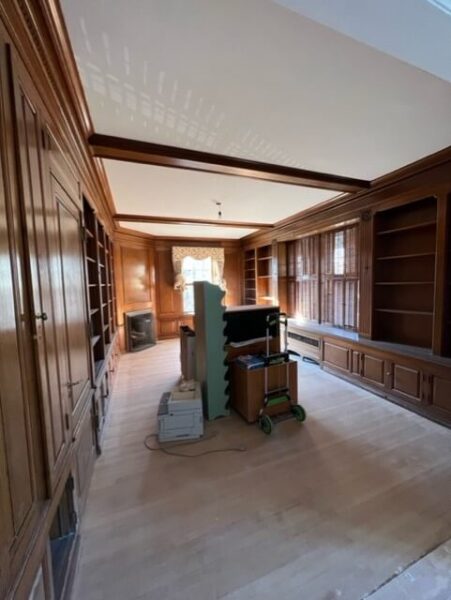
- Willingness to show preparation work in progress
- References from projects completed years ago (to verify longevity)
- Proper licensing and insurance
- Warranties that stand behind both workmanship and materials
At Fagan Painting, we take pride in our thorough preparation process. We're happy to explain exactly what we'll do and why—because we know preparation is what separates a paint job that lasts from one that fails.
Frequently Asked Questions About Surface Preparation
How long does proper surface preparation take?
Preparation time varies based on the condition of surfaces and scope of work. For a typical room repaint, expect preparation to take 2-4 hours. Extensive exterior preparation might take 1-2 days. At Fagan Painting, we never rush preparation—it's too important to the final result.
Can you paint over old paint without sanding?
Sometimes, but not always. If existing paint is in good condition, a thorough cleaning and light scuff sanding may suffice. However, glossy surfaces, peeling paint, or surfaces with adhesion issues require more extensive sanding. A professional can assess what your surfaces need.
Is primer always necessary?
Not in every situation, but it's essential more often than people realize. Primer is necessary when painting bare surfaces, covering stains, making dramatic color changes, or when existing paint has adhesion issues. When in doubt, primer is a worthwhile investment.
How can I tell if my walls were properly prepared?
Signs of good preparation include: smooth surfaces free of bumps and debris, properly filled and sanded repairs, clean caulk lines, and no visible tape lines or edges. Poor preparation often shows as texture inconsistencies, visible patches, and edges where preparation stopped.
Why does professional preparation cost more than DIY?
Professional preparation costs reflect the time, equipment, and expertise required to do it correctly. While DIY might seem cheaper upfront, improper preparation leads to premature paint failure—meaning you'll repaint sooner and spend more over time.
How do painters handle lead paint during preparation?
EPA-certified painters follow specific protocols when working with potential lead paint. This includes testing, containment, specialized equipment, and proper disposal. These precautions protect your family and ensure compliance with federal and state regulations.
Should I do any preparation myself before painters arrive?
While professional painters handle all preparation, you can help by removing wall hangings and decor, moving furniture away from walls, and ensuring clear access to work areas. However, leave cleaning, sanding, patching, and priming to the professionals.
How does Pittsburgh's climate affect preparation requirements?
Pittsburgh's humidity, temperature extremes, and freeze-thaw cycles demand extra attention to moisture testing, mold prevention, and selecting products that can flex with temperature changes. Local experience matters when it comes to preparation for our climate.
Invest in Professional Preparation
The longevity of your paint job depends far more on preparation than on the paint itself. By hiring a professional Pittsburgh painter who understands and prioritizes proper surface preparation, you're ensuring that your investment lasts for years to come.
At Fagan Painting LLC, proper preparation isn't an afterthought—it's the foundation of everything we do. We serve Pittsburgh and surrounding communities including Squirrel Hill, Fox Chapel, Shadyside, and throughout the region.
Ready to experience the difference proper preparation makes? Contact us for a free estimate and see why Pittsburgh homeowners trust Fagan Painting for lasting results.