Satin and Eggshell and Flat — Oh My!
Walking into a paint store, you're immediately confronted with one of painting's most confusing decisions: choosing a paint finish. Flat, matte, eggshell, satin, semi-gloss, high-gloss—the options can be overwhelming. Yet the finish you choose has a dramatic impact on how your rooms look and how well your paint will hold up over time. Understanding Pittsburgh paint finishes helps you make choices that will look beautiful and perform well for years.
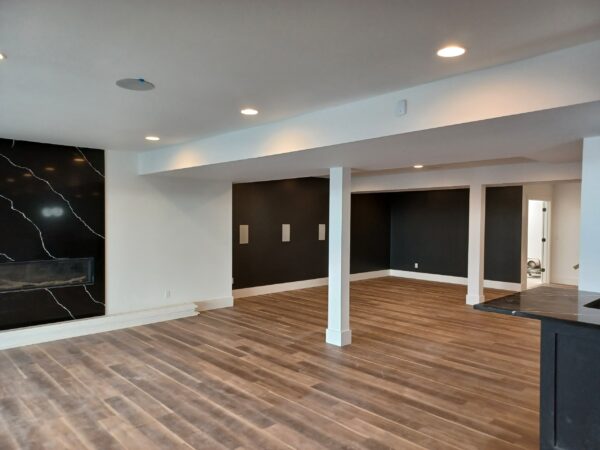
Understanding Paint Sheen
Paint sheen—also called finish or luster—refers to how shiny or reflective the dried paint surface appears. Sheen is created by the ratio of pigment to binder in the paint formula. Higher binder content produces shinier finishes; higher pigment content creates flatter finishes.
But sheen isn't just about appearance. Different finishes have practical implications:
- Durability: Higher sheen paints are typically more durable and washable
- Hide quality: Flat paints hide surface imperfections better
- Light reflection: Shiny paints bounce more light around the room
- Cleaning ease: Glossier finishes are easier to clean
- Touch-up blending: Flat finishes blend touch-ups more easily
Flat and Matte Finishes
Flat (also called matte) is the least reflective finish available, providing a smooth, velvety appearance that absorbs rather than reflects light.
Best Uses for Flat Paint
- Ceilings: The standard choice, hiding imperfections and reducing glare
- Low-traffic living areas: Living rooms, dining rooms, adult bedrooms
- Older homes: Excellent at hiding wall imperfections common in Pittsburgh's historic housing
- Textured walls: Works well with textured or plaster surfaces
Advantages of Flat Paint
- Hides surface imperfections, drywall seams, and repairs
- Creates a sophisticated, elegant look
- No glare from lighting or windows
- Easy to touch up without visible patches
- Generally least expensive option
Disadvantages of Flat Paint
- Most difficult to clean—marks and scuffs may become permanent
- Not suitable for high-traffic or high-moisture areas
- Can appear "chalky" over time
- Less durable than other finishes
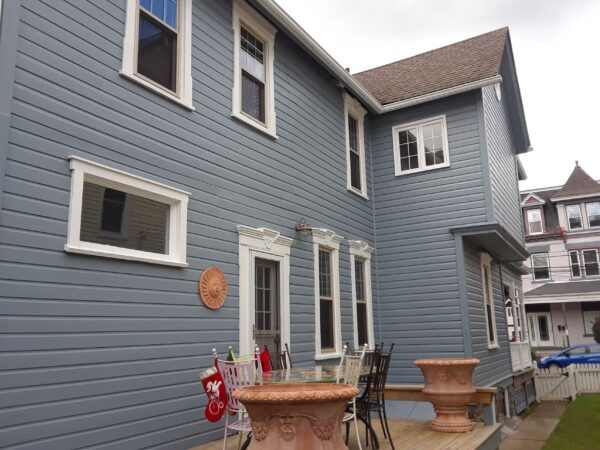
Eggshell Finish
Eggshell offers a slight sheen—imagine the soft glow of an actual eggshell. It's one of the most popular choices for Pittsburgh interior painting due to its versatility and balance of characteristics.
Best Uses for Eggshell
- Living rooms and family rooms: Durable enough for daily life
- Bedrooms: All ages, including children's rooms
- Dining rooms: Easy to clean occasional food splashes
- Hallways: Handles moderate traffic well
- Home offices: Professional appearance with practical durability
Advantages of Eggshell
- Good balance of appearance and durability
- More washable than flat while still hiding imperfections
- Subtle sheen adds depth without obvious shine
- Works well with various lighting conditions
- Versatile enough for most rooms
Disadvantages of Eggshell
- Can show application marks if not applied properly
- Touch-ups can be slightly visible
- Not as durable as satin or higher sheens
- May not hold up in very high-traffic areas
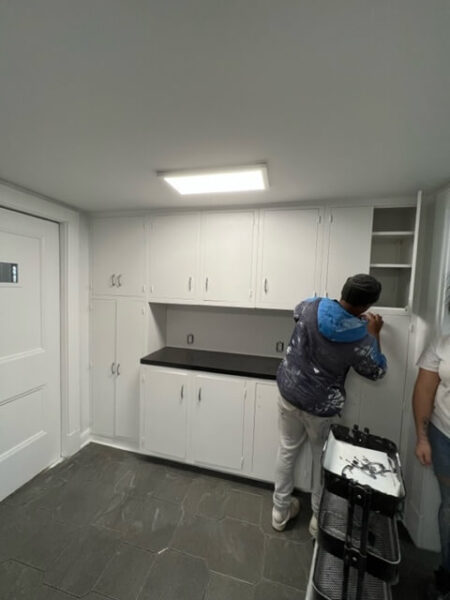
Satin Finish
Satin falls between eggshell and semi-gloss, offering a soft, pearl-like sheen. It's increasingly popular for Pittsburgh homes due to its excellent durability and cleanability.
Best Uses for Satin
- High-traffic areas: Hallways, stairwells, entryways
- Children's rooms and playrooms: Handles fingerprints and cleaning
- Kitchens: Walls (not typically for cabinets)
- Bathrooms: Handles humidity better than flat or eggshell
- Doors and trim: Some prefer satin's softer look over semi-gloss
Advantages of Satin
- Very durable and stands up to cleaning
- Resists moisture, mildew, and stains
- Attractive sheen that's not too shiny
- Good choice for active households
- Works on both walls and trim
Disadvantages of Satin
- Shows surface imperfections more than flat or eggshell
- Application technique matters—brush/roller marks can show
- Touch-ups may be noticeable
- Slightly higher cost than lower sheen options
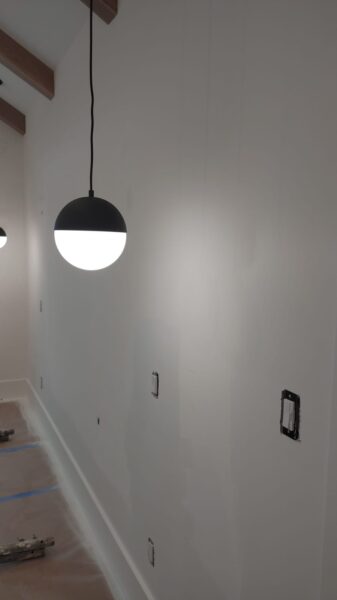
Semi-Gloss Finish
Semi-gloss offers noticeable shine and excellent durability. It's the traditional choice for trim, doors, and areas requiring frequent cleaning.
Best Uses for Semi-Gloss
- Trim and baseboards: The standard choice for moldings
- Doors: Both interior and exterior doors
- Kitchen cabinets: When painted rather than stained
- Bathroom walls and ceilings: Maximum moisture resistance
- Laundry rooms: Easy cleaning of splashes
Advantages of Semi-Gloss
- Most durable finish for interior applications
- Excellent moisture resistance
- Very easy to clean—wipes clean readily
- Highlights architectural details
- Resists mildew and staining
Disadvantages of Semi-Gloss
- Shows every surface imperfection
- Requires careful surface preparation
- Application technique is critical
- Can look "plasticky" on large wall surfaces
- Reflects light intensely, which some find harsh

High-Gloss Finish
High-gloss is the shiniest option, creating a mirror-like surface. It's used sparingly in most homes due to its dramatic reflectivity.
Best Uses for High-Gloss
- Front doors: Creates a dramatic first impression
- Accent furniture: Built-ins, mantels, statement pieces
- Shutters: Both interior and exterior
- High-end trim: When maximum elegance is desired
- Specialty applications: Artistic or dramatic effects
Advantages of High-Gloss
- Maximum durability of any finish
- Easiest to clean
- Creates stunning visual impact
- Reflects light dramatically
Disadvantages of High-Gloss
- Shows every imperfection, brush stroke, and dust particle
- Requires perfectly smooth surfaces
- Difficult to apply without visible marks
- Can be overwhelming on large surfaces
- Touch-ups are essentially impossible to blend
Choosing the Right Finish Room by Room
Here's a quick guide for typical Pittsburgh home applications:
Ceilings
Use flat paint. It hides imperfections, prevents glare, and is the industry standard.
Living and Dining Rooms
Eggshell or satin on walls, semi-gloss on trim. These rooms benefit from a sophisticated look with moderate durability.
Bedrooms
Flat, eggshell, or satin depending on use. Master bedrooms can go flatter; children's rooms benefit from satin's durability.
Kitchens and Bathrooms
Satin or semi-gloss on walls, semi-gloss on cabinets. Moisture resistance is key in these spaces.
Hallways and High-Traffic Areas
Satin or semi-gloss on walls. These areas need maximum durability and cleanability.
Trim Throughout
Semi-gloss is the standard. It highlights architectural details and stands up to cleaning.
Frequently Asked Questions About Paint Finishes
Can I use the same finish throughout my entire house?
While possible, it's not recommended. Different areas have different needs. Bathrooms need moisture resistance, while living rooms benefit from hiding imperfections. A mix of finishes, thoughtfully applied, serves your home best.
Is there a finish between eggshell and satin?
Some manufacturers offer intermediate sheens with names like "low-luster" or "velvet." These fall between eggshell and satin and may be perfect if you want something in between.
Why does my paint sheen look different than the sample?
Lighting dramatically affects how sheen appears. Store lighting differs from your home's lighting. Always test paint in your actual space, observing it at different times of day.
Do higher sheen paints cost more?
Generally, yes—higher sheen paints contain more binder (resin), which is the expensive component. However, the durability often justifies the additional cost in appropriate applications.
Can I put flat paint over semi-gloss?
Yes, with proper preparation. The glossy surface needs to be sanded or deglossed to allow the flat paint to adhere properly. Professional painters know exactly how to handle these transitions.
Which finish is easiest for DIY painting?
Flat paints are most forgiving, hiding application imperfections. Higher sheen paints require more technique to avoid visible brush and roller marks. For best results, consider hiring a professional.
How do I clean different paint finishes?
Flat: Gentle cleaning only—damp cloth, no scrubbing. Eggshell/Satin: Mild soap and water with gentle wiping. Semi-gloss/Gloss: Can handle more aggressive cleaning with most household cleaners.
What finish should I use on kitchen cabinets?
Semi-gloss is the standard for cabinets. It's durable, easy to clean, and highlights cabinet details. Some prefer satin for a slightly softer look. High-gloss is reserved for ultra-modern or statement kitchens.
Expert Guidance for Your Project
Choosing the right Pittsburgh paint finish is just one aspect of a successful painting project. The best results come from combining proper finish selection with quality paint, thorough preparation, and professional application.
At Fagan Painting LLC, we help Pittsburgh homeowners navigate these decisions every day. Our experienced team provides guidance on finishes, colors, and products that will look beautiful and last in your specific spaces.
Ready to get started? Contact us for a free estimate and expert advice on your interior painting project. We serve Pittsburgh and surrounding communities including Squirrel Hill, Oakland, and throughout the region.