Painting Wallpaper, Woodwork, and Brick
Introduction: Painting Wallpaper, Woodwork, and Brick Surfaces
Painting different surface types including wallpaper, woodwork, and brick requires specialized knowledge and techniques that ensure optimal results on each material. Each surface type presents unique challenges requiring appropriate preparation, primer selection, and application methods that create lasting finishes. Fagan Painting has spent over fifteen years helping Pittsburgh homeowners paint various surface types through professional interior painting and exterior painting services that address material-specific requirements. This comprehensive guide explores painting wallpaper, woodwork, and brick surfaces, revealing specialized techniques that ensure optimal results on each material type.
What makes painting different surface types challenging? Each material requires specific preparation methods, primer selections, and application techniques that ensure paint adheres properly and provides lasting finishes. Wallpaper requires assessment of condition and adhesion before painting, woodwork requires proper sanding and priming, and brick requires specialized preparation and paint selection. Professional painters understand these material-specific requirements, using appropriate techniques that ensure optimal results on each surface type.
Professional expertise becomes particularly valuable when painting different surface types, as material-specific knowledge ensures proper preparation, primer selection, and application methods that create lasting finishes. Professional painters understand how different materials respond to paint, which primers work best for specific surfaces, and how to apply paint effectively on various materials. This expertise ensures painting different surface types creates results that last years rather than requiring premature repainting due to adhesion failures or material incompatibility.
Painting Over Wallpaper: Assessment and Preparation
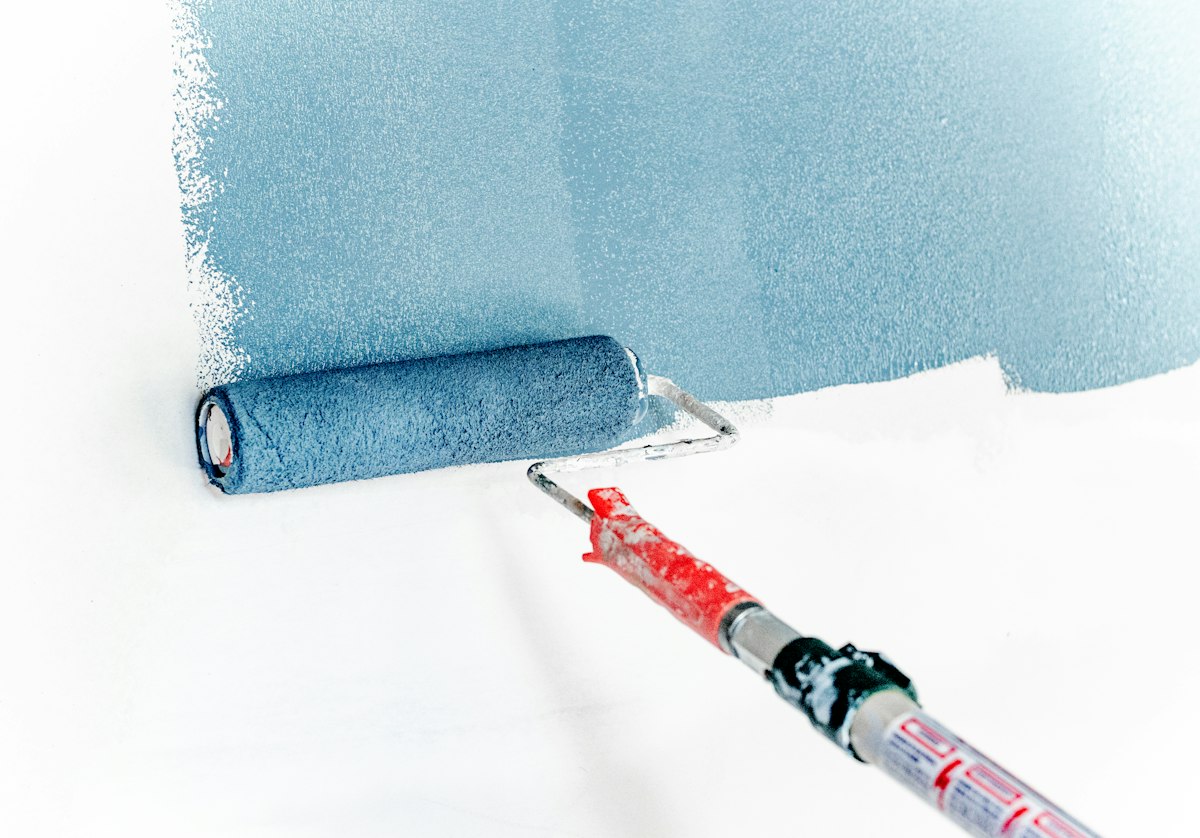
Painting over wallpaper requires careful assessment of wallpaper condition and adhesion before painting begins. Loose, peeling, or damaged wallpaper should be removed before painting, as painting over compromised wallpaper creates problems that require expensive corrections. Well-adhered wallpaper in good condition can be painted successfully with proper preparation and primer selection. Professional painters understand how to assess wallpaper condition, recommend removal when necessary, and prepare well-adhered wallpaper for successful painting.
Wallpaper assessment requires understanding adhesion, condition, and suitability for painting. Professional painters inspect wallpaper thoroughly, identifying loose edges, peeling areas, and damage that requires attention. They test wallpaper adhesion, ensuring it's well-adhered before recommending painting. They consider wallpaper type when assessing suitability, understanding how different wallpaper types respond to paint applications. This assessment expertise ensures wallpaper painting creates results that last years rather than requiring expensive corrections.
Wallpaper preparation requires cleaning, repairing loose edges, and applying appropriate primers that ensure paint adhesion. Professional painters clean wallpaper thoroughly, removing dirt and contaminants that inhibit paint adhesion. They repair loose edges and damaged areas, ensuring wallpaper is well-adhered before painting. They apply appropriate primers that ensure paint adheres properly to wallpaper surfaces. This preparation expertise ensures wallpaper painting creates results that last years and provide lasting satisfaction.
Painting Woodwork: Proper Sanding and Priming
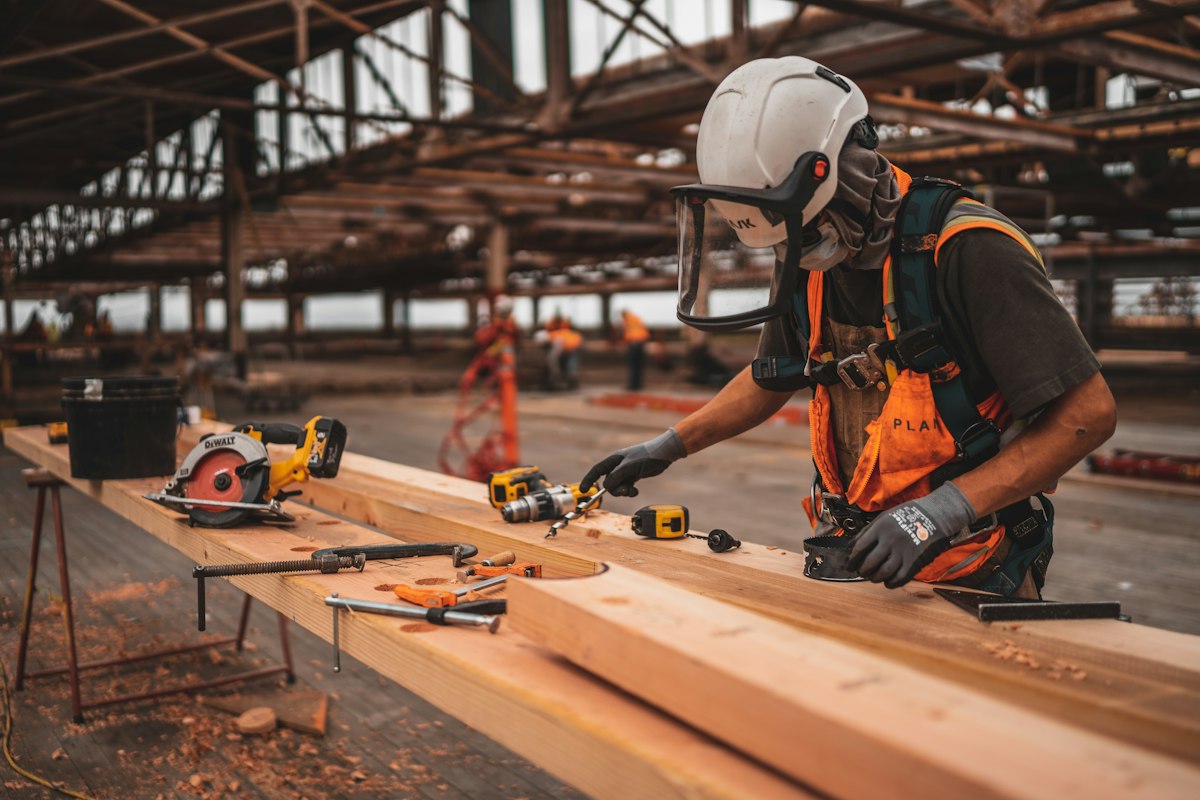
Painting woodwork requires proper sanding and priming that ensures paint adheres properly and provides lasting finishes. Woodwork surfaces require sanding to remove glossy finishes, smooth imperfections, and create textures that enhance paint adhesion. Professional painters understand how to sand woodwork effectively, which sandpaper grits work best for specific surfaces, and how to create optimal surface textures for paint applications. They apply appropriate primers that ensure paint adheres properly to woodwork surfaces, creating results that last years.
Woodwork sanding requires understanding surface conditions, selecting appropriate sandpaper grits, and creating optimal textures for paint adhesion. Professional painters assess woodwork surfaces, identifying glossy finishes, imperfections, and conditions requiring attention. They select appropriate sandpaper grits for specific surfaces, ensuring effective sanding without damaging substrates. They create optimal surface textures that enhance paint adhesion, ensuring finishes last years. This sanding expertise ensures woodwork painting creates results that provide lasting satisfaction.
Woodwork priming requires selecting appropriate primers that ensure paint adheres properly to wood surfaces. Professional painters understand which primers work best for different wood types, how to apply primers effectively, and how to ensure primers create optimal conditions for paint applications. They consider woodwork conditions when selecting primers, ensuring selections provide optimal adhesion and protection. This priming expertise ensures woodwork painting creates results that last years and provide lasting satisfaction.

Painting Brick: Specialized Preparation and Paint Selection
Painting brick requires specialized preparation and paint selection that ensures paint adheres properly and provides lasting finishes on porous brick surfaces. Brick surfaces require thorough cleaning, addressing efflorescence and moisture issues, and applying appropriate primers that ensure paint adhesion. Professional painters understand how to prepare brick surfaces, which primers work best for brick, and how to select paints that provide optimal results on porous surfaces. This expertise ensures brick painting creates results that last years rather than requiring premature repainting.
Brick preparation requires thorough cleaning, addressing efflorescence, and ensuring surfaces are dry before painting. Professional painters clean brick surfaces thoroughly, removing dirt, efflorescence, and contaminants that inhibit paint adhesion. They address moisture issues, ensuring brick surfaces are dry before painting begins. They apply appropriate primers that ensure paint adheres properly to porous brick surfaces. This preparation expertise ensures brick painting creates results that last years and provide lasting satisfaction.
Brick paint selection requires understanding which paints work best on porous brick surfaces, providing optimal adhesion and protection. Professional painters understand which paints provide optimal results on brick, recommending products that ensure proper adhesion and lasting finishes. They consider brick conditions when selecting paints, ensuring selections provide optimal protection and appearance. This paint selection expertise ensures brick painting creates results that last years and provide lasting satisfaction.

Why Fagan Painting Handles Different Surface Types
Fagan Painting brings over fifteen years of experience helping Pittsburgh homeowners paint various surface types through professional interior painting and exterior painting services. Our expertise in material-specific preparation, primer selection, and application methods ensures optimal results on wallpaper, woodwork, brick, and other surface types. We assess surface conditions thoroughly, recommend appropriate preparation methods, and apply paint using techniques that ensure optimal results on each material type.
Our material-specific expertise enables us to recommend preparation methods, primer selections, and application techniques that ensure optimal results on different surface types. We understand how different materials respond to paint, which primers work best for specific surfaces, and how to apply paint effectively on various materials. This expertise ensures painting different surface types creates results that last years rather than requiring premature repainting.
If you're considering painting wallpaper, woodwork, brick, or other surface types and need expert guidance, we welcome the opportunity to discuss your needs and demonstrate why Pittsburgh homeowners choose Fagan Painting for their painting needs. Our professional services ensure optimal results on various surface types. Contact us today to schedule your free surface painting consultation and discover how professional expertise handles different surface types effectively.
Ready to Paint Different Surface Types?
Transform your surfaces with professional painting techniques. Get your free estimate today!
Schedule Your Free ConsultationFrequently Asked Questions About Painting Different Surfaces
Can I paint over wallpaper?
Yes, you can paint over wallpaper if it's well-adhered and in good condition, but loose, peeling, or damaged wallpaper should be removed before painting. Professional painters assess wallpaper condition thoroughly, identifying loose edges, peeling areas, and damage that requires attention. They test wallpaper adhesion, ensuring it's well-adhered before recommending painting. Well-adhered wallpaper in good condition can be painted successfully with proper preparation and primer selection that ensures paint adheres properly.
How do I prepare woodwork for painting?
Preparing woodwork for painting requires sanding to remove glossy finishes, smooth imperfections, and create textures that enhance paint adhesion, followed by applying appropriate primers that ensure paint adheres properly. Professional painters understand how to sand woodwork effectively, which sandpaper grits work best for specific surfaces, and how to create optimal surface textures. They apply appropriate primers that ensure paint adheres properly to woodwork surfaces, creating results that last years.
Can I paint brick surfaces?
Yes, you can paint brick surfaces, but they require specialized preparation and paint selection that ensures paint adheres properly to porous brick surfaces. Brick surfaces require thorough cleaning, addressing efflorescence and moisture issues, and applying appropriate primers that ensure paint adhesion. Professional painters understand how to prepare brick surfaces, which primers work best for brick, and how to select paints that provide optimal results on porous surfaces. This expertise ensures brick painting creates results that last years.
What primer should I use for different surfaces?
Primer selection depends on surface type, condition, and paint selection. Wallpaper requires primers that ensure paint adheres properly to wallpaper surfaces. Woodwork requires primers that ensure paint adheres properly to wood surfaces. Brick requires primers that ensure paint adheres properly to porous brick surfaces. Professional painters understand which primers work best for specific surfaces, recommending products that ensure optimal adhesion and lasting finishes.
How long does painting different surfaces take?
Painting different surfaces takes varying amounts of time depending on surface type, condition, and project scope. Wallpaper painting may require additional preparation time for assessment and repair. Woodwork painting requires time for sanding and priming. Brick painting requires time for thorough cleaning and specialized preparation. Professional painters provide realistic timelines during consultations based on specific surface types and project requirements.
Should I hire a professional to paint different surface types?
Yes, professional painting provides valuable expertise when painting different surface types, as professional painters understand material-specific preparation methods, primer selections, and application techniques that ensure optimal results. They understand how different materials respond to paint, which primers work best for specific surfaces, and how to apply paint effectively on various materials. This expertise ensures painting different surface types creates results that last years rather than requiring premature repainting.
What problems can occur when painting different surfaces incorrectly?
Painting different surfaces incorrectly can cause problems including poor adhesion, peeling, bubbling, and premature failures that require expensive corrections. Painting over loose wallpaper creates problems that require removal and repainting. Inadequate woodwork preparation causes paint to peel or fail prematurely. Inadequate brick preparation causes paint to fail due to moisture or adhesion issues. Professional painters understand material-specific requirements, using appropriate techniques that prevent these problems.
How do I maintain painted surfaces on different materials?
Maintaining painted surfaces on different materials requires understanding material-specific maintenance requirements. Wallpaper surfaces require gentle cleaning to avoid damaging wallpaper beneath paint. Woodwork surfaces require cleaning that doesn't damage wood finishes. Brick surfaces require maintenance that addresses moisture and efflorescence issues. Professional painters recommend maintenance practices that preserve finishes, extending paint life and maintaining appearance on different material types.