How Pittsburgh's January Cold Impacts Interior Paint Curing
How Pittsburgh's January Cold Impacts Interior Paint Curing
How Pittsburgh's January Cold Impacts Interior Paint Curing

If you live in Pittsburgh, you know January. It's the month of biting winds whipping off the three rivers, furnaces working overtime, and windows staying firmly shut. While you're likely bundled up inside, you might be planning your next home improvement project. Interior painting is a popular winter task, but many homeowners worry about the cold. Does the freezing temperature outside mess up the paint inside?
The short answer is no—if you manage your indoor environment correctly. In fact, the specific conditions created by Pittsburgh's January cold can actually lead to a better, harder paint finish than you might get in the humid heat of July. However, understanding the science of how paint cures versus how it dries is crucial to getting that perfect result.
This guide will dive deep into the mechanics of paint curing in winter. We'll look at how Pittsburgh's specific climate variables—low outdoor humidity and artificial indoor heat—affect the chemical bonding of your paint. We will also provide actionable steps to ensure your January paint job looks professional and lasts for years.
Drying vs. Curing: The Critical Difference
To understand how winter affects your walls, you first need to understand what is actually happening when paint turns from a liquid in the can to a solid on your wall. There is a distinct difference between "drying" and "curing," and people often confuse the two.
What is Paint Drying?
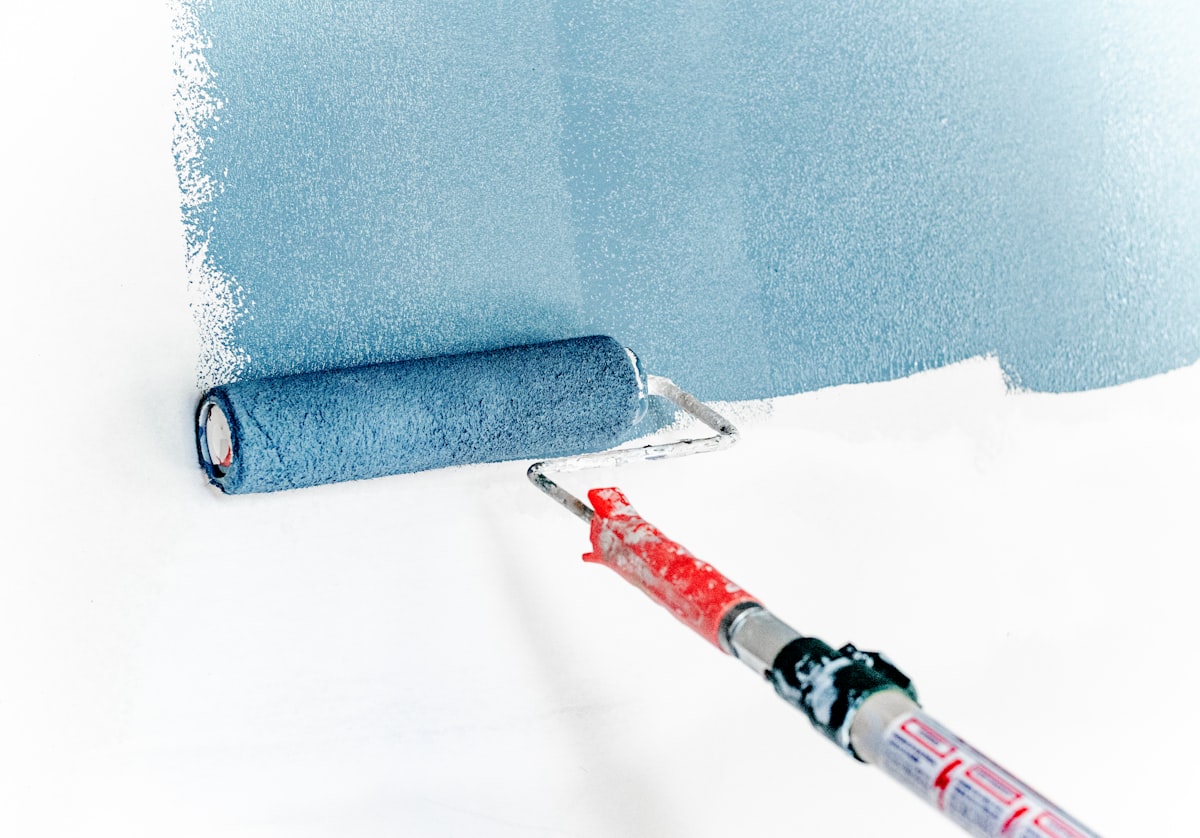
Drying is the first phase of the process. It is primarily about evaporation. When you roll latex paint onto a wall, it consists of pigments (color), binders (resin), and a carrier (water and solvents). As soon as the paint hits the wall, the water begins to evaporate into the air.
When enough water evaporates, the paint becomes dry to the touch. You can brush your hand against it without getting color on your skin. In a warm, dry Pittsburgh home in January, this can happen very fast—sometimes in as little as 30 to 60 minutes.
What is Paint Curing?
Curing is the second, much longer phase. It is a chemical process called coalescence. After the water evaporates, the tiny particles of binder and pigment get closer together. They eventually fuse, or coalesce, to form a continuous, solid film.
This film is what gives paint its true hardness and durability. Until paint is fully cured, it is susceptible to damage. You might be able to touch it, but if you scrubbed it with a sponge or leaned a heavy chair against it, you could dent or peel the finish. Curing can take anywhere from a couple of weeks to a month, depending on the product and the environment.
The Pittsburgh Winter Factor
Here is where the weather comes into play. Both drying and curing rely heavily on the atmosphere. Specifically, they depend on temperature and humidity. In a Pittsburgh January, the outdoor air is cold and holds very little moisture. When your furnace pulls that air in and heats it up, the relative humidity in your house drops significantly.
This creates an environment that is aggressive towards moisture. The dry air acts like a sponge, pulling water out of the paint rapidly. This is generally good news for the drying phase, but it requires careful management during the curing phase to ensure the film forms properly without cracking.
The Role of Indoor Heating
Your furnace is the unsung hero of winter painting. Since exterior temperatures in Pittsburgh often hover around (or below) freezing in January, your indoor climate control is the only thing making painting possible.
Why Temperature Consistency Matters
Most modern latex and acrylic paints require a minimum temperature of 50°F to cure properly, though 60°F to 70°F is the ideal "sweet spot." If the temperature drops below this threshold, the chemical reaction slows down or stops completely.
If the room gets too cold, the paint particles won't fuse together tightly. This can lead to a film that looks fine but is structurally weak. It might eventually crack, peel, or turn into a powdery substance on the wall—a failure known as "powdering."
In older Pittsburgh homes, maintaining consistency can be tricky. You might have drafty windows or cold spots near exterior walls.
The Danger of Night Setbacks: Many homeowners program their thermostats to drop significantly at night to save on gas bills. During a paint job, this is a mistake. If the temperature fluctuates wildly—say from 70°F during the day to 58°F at night—the curing process is interrupted. The expansion and contraction of the substrate (the wall itself) combined with the varying cure rate of the paint can lead to poor adhesion.
Cold Walls vs. Warm Air: It's important to remember that the air temperature is not the same as the surface temperature. Even if your thermostat says 68°F, an uninsulated plaster wall facing the wind on Mount Washington might be 55°F. Paint reacts to the surface temperature. If the wall is too cold, the paint thickens, drags, and won't bond well.
Radiators and Dry Heat
Many Pittsburgh homes, especially in neighborhoods like Shadyside, Squirrel Hill, and the North Side, rely on radiators or forced air heat. These heat sources are extremely drying.
While dry air helps paint dry to the touch quickly, excessive heat directed right at a wet wall can cause "skinning." This happens when the top layer of paint dries instantly, trapping wet solvents underneath. This trapped moisture eventually tries to escape, causing bubbles or blisters.
The Humidity Equation: Pittsburgh's Secret Weapon
While we often complain about dry winter skin and static electricity, low humidity is actually a painter's best friend—if respected.
The Problem with High Humidity (Summer)
In a humid Pittsburgh July, the air is already saturated with water. When paint tries to dry, the water in the paint has nowhere to go. It sits on the surface, keeping the paint soft for a long time. This prolonged open time allows gravity to take over, leading to sags and drips. It also means you have to wait much longer between coats.
The Benefit of Low Humidity (January)
In January, the indoor relative humidity can drop to 20% or 30%. This thirsty air pulls the water carrier out of the paint efficiently.
Faster Recoat Times: Because the water evaporates so well, you can often apply a second coat sooner than the manufacturer's label suggests (though you should always check the specs).
Better Film Formation: When water leaves the paint efficiently, the binder particles can get straight to work fusing together. This often results in a harder, more durable finish that resists scrubbing better than paint applied in humid conditions.
However, there is a limit. If the humidity is too low (below 20%), the paint can dry too fast, leading to brush marks because the paint doesn't have time to "level out" before it sets.
Potential Pitfalls of Winter Curing
While the conditions are generally favorable, the unique clash of extreme outdoor cold and artificial indoor heat creates specific risks that Pittsburgh homeowners need to watch for.
1. Thermal Bridging and Condensation
"Thermal bridging" occurs when a part of your wall conducts heat (or cold) faster than the surrounding area. In Pittsburgh homes, this often happens at metal wall studs, corners, or around windows.
If you paint a wall that has a very cold spot due to thermal bridging, and the humidity in the room rises (perhaps from cooking or a shower), condensation can form on that fresh paint. Water sitting on uncured paint is disastrous. It can cause water spots, surfactant leaching (where oily ingredients rise to the surface), or adhesion failure.
2. The Draft Effect
Painting near a drafty window or door in January can result in uneven curing. The side of the wall hit by the draft cures slower than the rest of the room. This inconsistency can lead to "flashing," where the sheen of the paint looks different in certain spots. For example, an eggshell finish might look matte in the cold spot and glossy in the warm spot.
3. Poor Ventilation
We all know you can't throw the windows open in January. This leads to a fear of fumes. Modern Low-VOC (Volatile Organic Compounds) paints have made this much safer, but airflow is still required for curing. Curing is a chemical reaction that releases gases. If a room is sealed tight with zero airflow, the air becomes saturated with these gases, and the curing slows down.
Optimizing Your Home for a January Paint Job
So, how do you harness the benefits of winter painting while avoiding the pitfalls? It comes down to controlling your environment. You don't need a lab coat; you just need to adjust your thermostat and be mindful of your home's quirks.
Step 1: Stabilize Your Temperature
Ideally, keep your home between 65°F and 70°F around the clock during the project.
Do not lower the heat at night. Keep it steady for at least 48 hours after the final coat is applied.
Pre-heat the walls. If you are painting a room that is usually closed off and unheated (like a spare bedroom or enclosed porch), open the door and let the heat circulate for 24 hours before you start painting. The walls need to be warm, not just the air.
Step 2: Manage the Dryness
Because Pittsburgh homes get so dry, you want to help the paint level out.
Use a high-quality paint: Premium paints have better leveling agents that help them sit smooth even when they dry fast.
Add an extender: If you find the paint is dragging or drying too fast on your brush, you can add a paint conditioner (like Floetrol for latex paints). This retards the drying time slightly, giving you a longer "wet edge" to work with, which reduces brush marks.
Don't overwork the paint: Once you roll it on, let it be. Going back over semi-dry paint in a dry room will pull up the texture and look messy.
Step 3: Create Artificial Ventilation
Since you can't open windows, you need to move air mechanically.
Box Fans: Place a box fan in the doorway of the room you are painting, pointing out into the hallway. This pulls the fumes out of the room and encourages air circulation without blowing cold air directly onto the drying walls.
Ceiling Fans: Run ceiling fans on low to keep the warm air (which rises) circulating down to the walls.
Exhaust Fans: If you are painting a bathroom or kitchen, run the exhaust fans to pull out humidity and fumes.
Step 4: Check Surface Temperatures
Before you start, touch the walls, especially exterior-facing ones. If a wall feels like an ice block, it's too cold to paint.
The Space Heater Trick: If you have a particularly cold corner, you can use a space heater to warm up the area before you paint. Crucially, turn the space heater off or move it far away while painting. You do not want to blow hot, dry air directly on wet paint, as this causes blistering. Just get the ambient temperature of the wall up, then let the room's central heat take over.
Why Professional Painters Love January
You might wonder why professional painters in Pittsburgh are happy to book interiors in January if there are so many temperature factors to watch. The truth is, professionals prefer these controlled conditions.
In the summer, they are fighting Mother Nature—sudden thunderstorms, spiking humidity, and intense heat that makes paint dry on the brush instantly. In the winter, the environment is predictable. A professional painter knows exactly how your furnace works and how the paint will behave in 68-degree dry heat. They can predict the curing time with high accuracy, which allows them to stick to tight schedules.
Furthermore, because the paint cures harder in these lower-humidity conditions, they know they are leaving you with a product that will withstand the wear and tear of family life. They aren't worried about trapping humidity behind the paint film, which is a common cause of warranty callbacks in the summer months.
Conclusion: Embrace the Cold for a Better Finish
Don't let the frost on the windows scare you away from refreshing your home's interior. The physics of paint curing actually favor the dry, controlled environment of a heated Pittsburgh home in January.
By understanding the relationship between temperature and humidity, you can turn the "dead of winter" into the most productive time for home improvement. The key takeaways are simple: keep your heat steady, keep the air moving, and trust that the dry air is helping your paint form a rock-hard, durable bond.
So, while your neighbors are waiting for the tulips to bloom before they pick up a paintbrush, you can enjoy a freshly updated home that has cured to perfection, ready to face the year ahead.