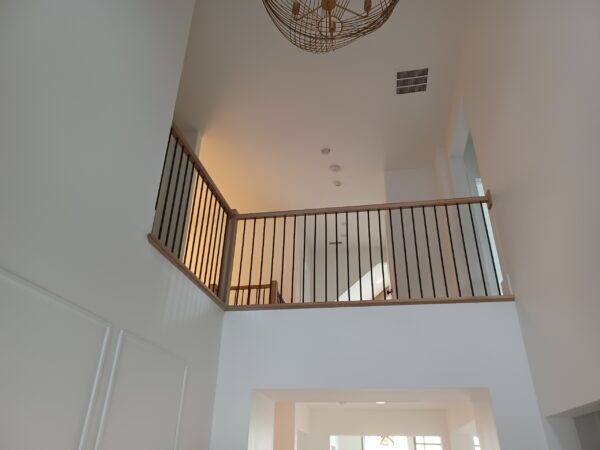
5 Painting Tips for Your Home's Open Floor Plan
Open floor plans have transformed how Pittsburgh families live, combining kitchens, dining areas, and living spaces into unified environments that encourage togetherness and natural light. However, these expansive spaces present unique painting challenges. How do you create distinct zones without walls? How do you maintain visual flow while adding interest? These five painting tips for open floor plans will help you navigate these decisions with confidence.

Tip #1: Develop a Cohesive Color Strategy First
Before selecting any individual colors, you need an overarching strategy that will guide all your decisions. Without this foundation, even beautiful individual color choices can create visual chaos when combined.
Choose a Dominant Base Color
Start with a dominant neutral that will appear throughout your open space:
- Warm whites: Creamy tones that create welcoming, comfortable atmospheres
- Cool whites: Crisp tones that feel fresh and modern
- Greiges: Gray-beige combinations that work with varied design styles
- Soft grays: Sophisticated backdrops for colorful accents
Build a Supporting Palette
Your secondary colors should relate harmoniously to your base:
- Choose colors from the same temperature family (all warm or all cool)
- Select colors with similar undertones (yellow undertones, pink undertones, etc.)
- Limit your palette to 3-4 colors maximum plus neutrals
- Test colors together under the actual lighting conditions of your space
Consider Light Flow
Open floor plans typically have multiple light sources—windows on different walls, skylights, and artificial lighting. Your color strategy must account for:
- How colors appear in different zones throughout the day
- Transitions between brightly lit and darker areas
- Evening lighting and how colors shift under artificial light
Tip #2: Use Color to Define Functional Zones
Without walls to physically separate spaces, paint becomes your primary tool for creating distinct zones within an open floor plan. The key is defining areas while maintaining visual flow.
Accent Walls That Make Sense
Strategic accent walls can distinguish functional zones without creating visual barriers:
- Kitchen focal walls: Behind ranges or open shelving, using a shade 2-3 tones deeper than adjacent walls
- Living room anchors: Behind main seating areas or entertainment centers
- Dining area definition: A subtle color shift that signals transition
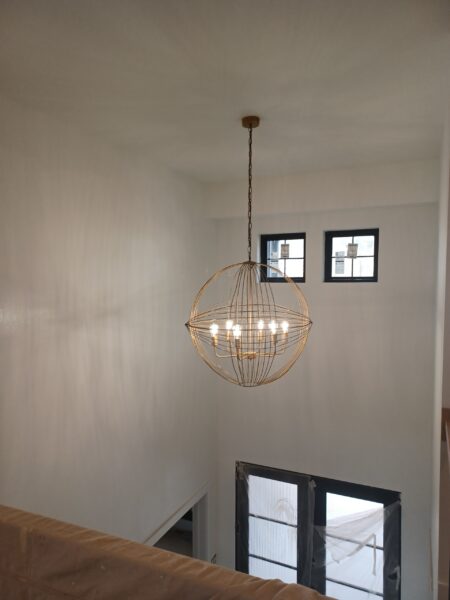
Ceiling Color Strategies
Ceiling treatments offer another zone-defining opportunity:
- Carry a wall accent color onto the ceiling above that zone
- Use a slightly different ceiling color in distinct functional areas
- Paint ceiling beams to emphasize architectural zone divisions
- Add a darker ceiling color in intimate areas like dining nooks
Transition Techniques
Where zones meet, professional painting creates seamless transitions:
- Architectural breaks: Use columns, beams, or ceiling height changes as natural color break points
- Subtle shifts: Move from one shade to the next within the same color family
- Intentional contrast: When zones need clear distinction, use complementary rather than clashing colors
Tip #3: Address the Kitchen Considerations
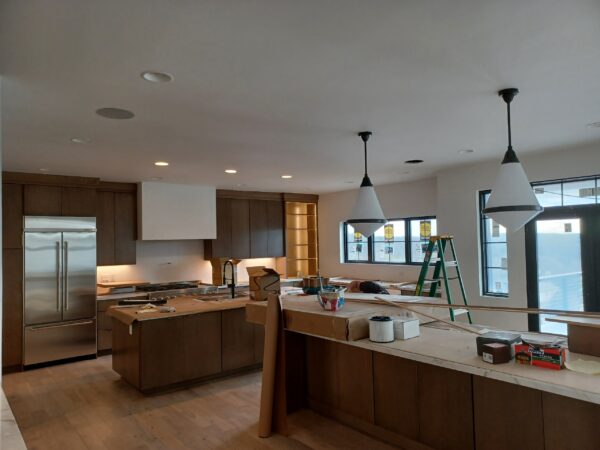
Kitchens within open floor plans require special attention because they're visible from living and dining areas. Your paint choices must balance practicality with aesthetic harmony.
Durability Requirements
Kitchen zones need more durable paint finishes:
- Semi-gloss or satin: On walls that might receive splashes or steam
- Easy cleaning: Choose washable paints rated for kitchen use
- Moisture resistance: Particularly near sinks and cooking areas
Cabinet and Wall Coordination
When kitchen cabinets are visible from throughout the open space:
- Cabinet colors should complement your overall palette
- White or light cabinets maintain bright, open feelings
- Dark cabinets can anchor and define the kitchen zone
- Two-tone cabinets can bridge kitchen and living area palettes
Tip #4: Master the Art of Visual Flow
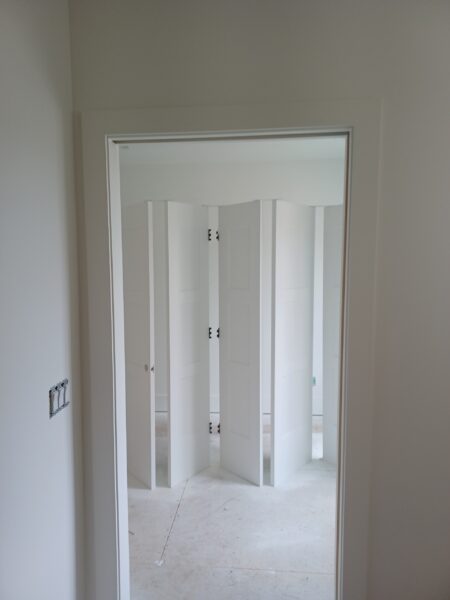
The greatest challenge—and opportunity—in open floor plans is creating visual continuity while avoiding monotony. Your paint strategy should unify the space while creating interest.
The 60-30-10 Rule
This classic design principle works beautifully in open floor plans:
- 60% dominant color: Your main wall color throughout most of the space
- 30% secondary color: Accent walls, large furniture, or distinct zones
- 10% accent color: Bold pops through accessories, trim details, or small accent areas
Maintain Sightlines
Consider what you see from key positions in your space:
- From the main entrance: Colors should draw you into the space
- From seating areas: Ensure pleasant views in all directions
- Through windows: Exterior views affect how interior colors read
Repetition Creates Unity
Repeat colors in different forms throughout the space:
- An accent wall color appearing in throw pillows across the room
- Trim color echoing in furniture or light fixtures
- Ceiling accent matching a decorative element below
Tip #5: Test Before Committing
In open floor plans, paint color mistakes are highly visible and harder to correct. Thorough testing is essential before committing to your final palette.
Large-Scale Sampling
Small paint chips are inadequate for open spaces:
- Paint sample boards at least 18 inches square
- Move samples to different locations throughout the day
- View samples in both natural and artificial lighting
- Test samples in multiple zones of your open floor plan
Live with Samples
Give yourself time to evaluate:
- View samples at different times of day for at least 3-5 days
- Observe how colors interact with your existing furniture and decor
- Consider how colors make you feel in different lighting conditions
- Pay attention to initial reactions from family members
Common Open Floor Plan Painting Mistakes to Avoid
Mistake #1: Too Many Colors
Excitement about open spaces can lead to overcomplication. Limit your palette and resist the urge to add "just one more" accent color.
Mistake #2: Ignoring Undertones
Colors that seem compatible on chips can clash when undertones conflict. Warm and cool whites look terrible together; ensure consistency throughout.
Mistake #3: Neglecting Ceilings
In open plans, vast ceiling areas significantly impact the overall feel. Flat white ceilings can feel institutional; consider subtle warmth or strategic color.
Mistake #4: Forgetting Furniture Integration
Your paint should complement existing furniture, rugs, and decor. Test samples against actual items you'll keep.
Mistake #5: Rushing Decisions
Open floor plan mistakes affect your entire living space. Take time to make thoughtful decisions rather than rushing to completion.
Frequently Asked Questions About Open Floor Plan Painting
Should I paint my entire open floor plan one color?
One color can work beautifully if chosen carefully, but most open floor plans benefit from subtle variations—different sheens, accent walls, or closely related tones that define zones while maintaining unity.
How do I make my open floor plan feel cozier?
Warmer paint tones and strategic darker accents create intimacy without closing in spaces. Consider deeper colors in seating areas and dining zones while keeping high-traffic areas lighter.
What's the best white paint for open floor plans?
There's no single best white—it depends on your lighting, furnishings, and desired atmosphere. Whites with slight undertones (cream, greige, soft gray) typically perform better than stark whites in large open spaces.
Should I paint before or after installing flooring?
Paint first whenever possible. It's easier to protect floors during painting than to touch up paint around finished flooring. If floors are already installed, professional painters use careful masking to protect them.
How long does it take to paint an open floor plan?
Open floor plans often paint faster than equivalent square footage with many rooms because there's less cutting in, fewer color changes, and more efficient roller coverage. However, high ceilings and complexity add time.
Can I DIY my open floor plan painting?
Open floor plans magnify any imperfections—lap marks, uneven cutting, or color inconsistencies are visible across large areas. Professional painting ensures the seamless quality these spaces demand.
Professional Open Floor Plan Painting in Pittsburgh
Open floor plans require careful color consultation, expert preparation, and flawless execution to achieve the unified, beautiful result you envision. At Fagan Painting LLC, we specialize in helping Pittsburgh homeowners navigate the unique challenges of open concept spaces.
Our color consultation process ensures your palette works harmoniously throughout your space, and our experienced painters deliver the seamless finish that open floor plans demand.
Contact us for a free estimate on your open floor plan interior painting project. We serve Pittsburgh and surrounding communities including Squirrel Hill, Shadyside, Mt. Lebanon, and throughout the region.