3 Most Common Problems With Home Exterior Paint
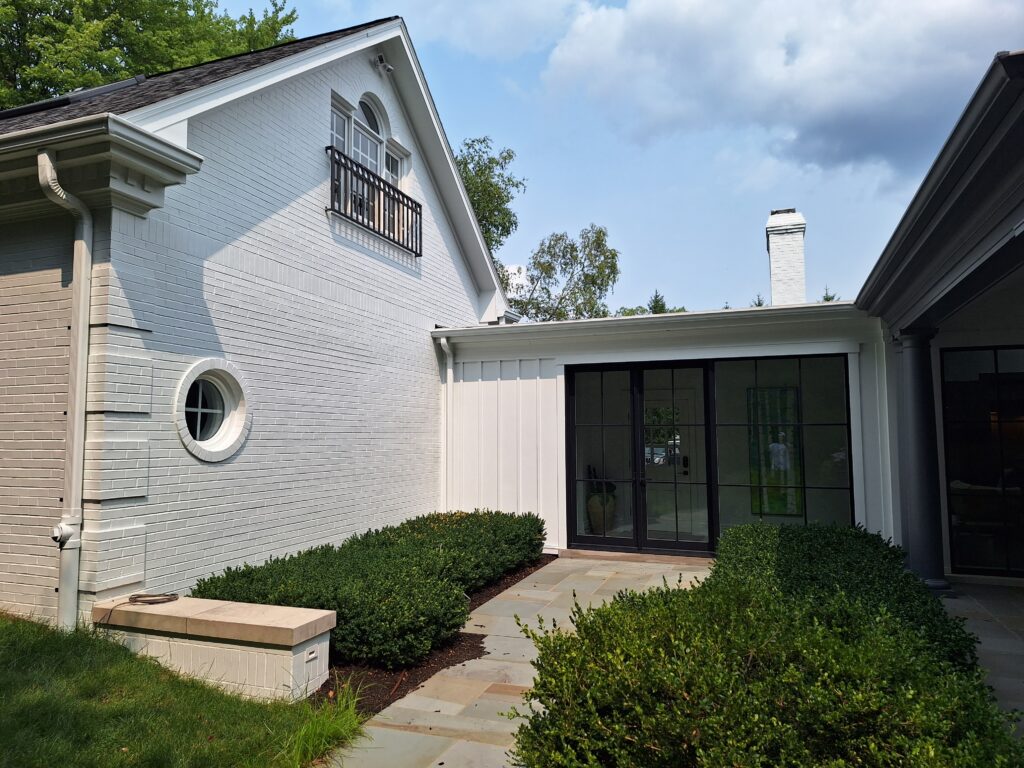
Your home's exterior paint serves as both armor and artwork—protecting your investment from Pittsburgh's challenging weather while enhancing curb appeal. But even quality paint jobs can develop problems over time. Understanding the most common Pittsburgh exterior paint problems helps you identify issues early and take action before minor concerns become major repairs.
Problem #1: Peeling and Flaking Paint
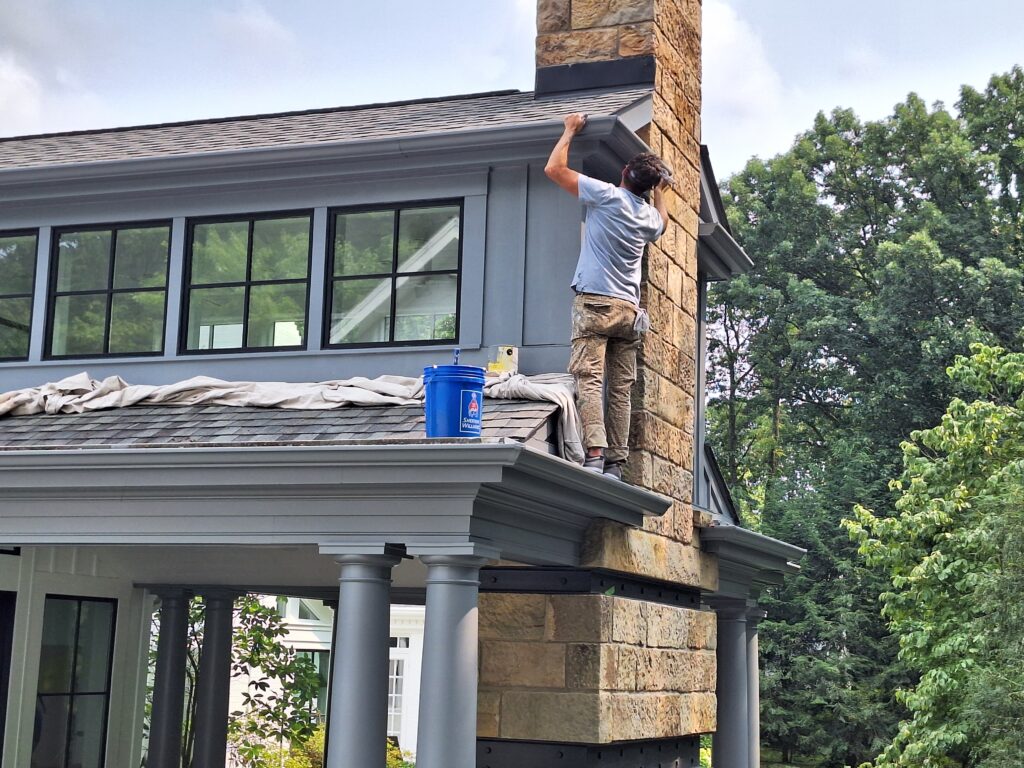
Peeling paint is the most recognizable and concerning exterior paint problem Pittsburgh homeowners face. When paint loses adhesion to the surface beneath it, sections begin lifting and separating.
Causes of Peeling Paint
- Moisture intrusion: Water getting behind paint is the primary cause
- Poor surface preparation: Paint applied to dirty or unprepared surfaces
- Incompatible paint layers: Latex over uncured oil-based paint
- Low-quality paint: Inferior products with poor adhesion
- Excessive moisture vapor: From interior humidity escaping through walls
Solutions
Addressing peeling paint requires identifying and fixing the underlying cause:
- Locate and repair any moisture sources
- Remove all loose and peeling paint
- Sand edges smooth to feather into sound paint
- Prime bare areas with appropriate primer
- Apply quality exterior paint
Problem #2: Fading and Color Loss
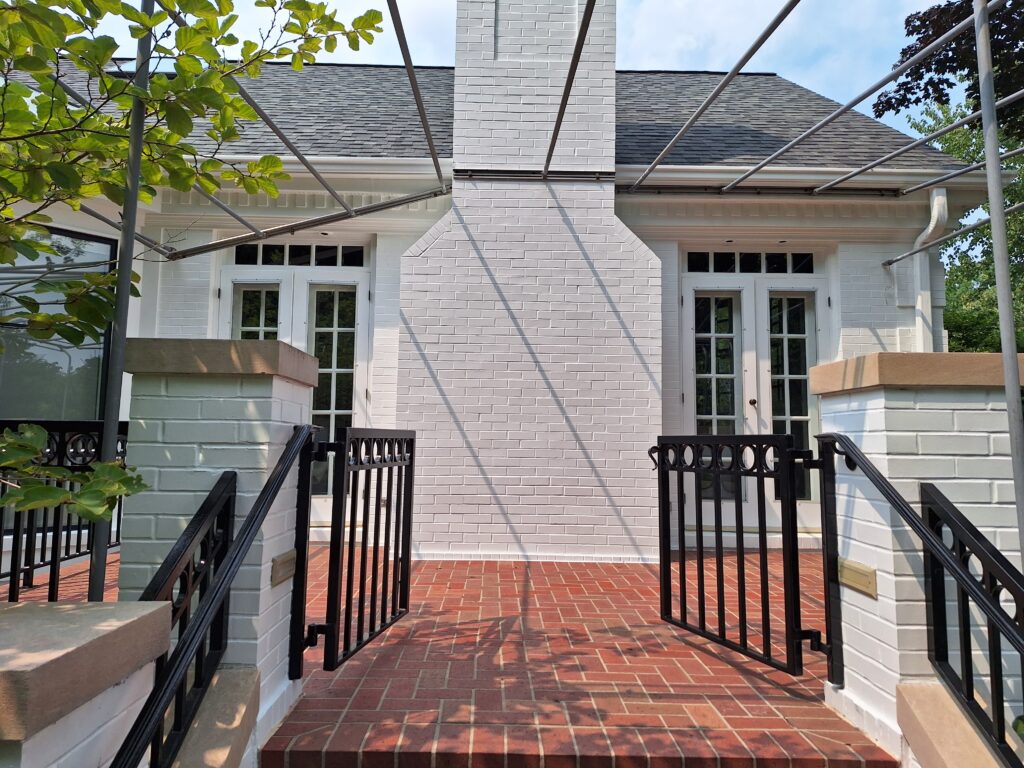
Pittsburgh's combination of sun exposure, rain, and temperature extremes accelerates paint fading—one of the most common exterior paint problems in our region.
Causes of Fading
- UV exposure: Sunlight breaks down paint pigments over time
- Low-quality paint: Cheaper paints fade faster
- Dark colors: Absorb more UV and fade more noticeably
- South and west exposure: Receive more intense sunlight
- Chalking: Pigment breakdown creating powdery residue
Solutions
- Use premium paints with UV-resistant pigments
- Consider lighter colors for sun-exposed surfaces
- Choose fade-resistant paint formulations
- Clean and assess surfaces annually
- Repaint before fading becomes severe
Problem #3: Blistering and Bubbling
Blisters and bubbles in exterior paint indicate moisture or heat problems that require attention.
Causes of Blistering
- Moisture blisters: Water trapped under paint film
- Heat blisters: Paint applied in direct sunlight or high heat
- Improper drying: Second coat applied before first coat cured
- Painting damp surfaces: Moisture present during application
Solutions
- Determine if blisters contain water (moisture) or air (heat)
- Address underlying moisture sources
- Scrape and sand affected areas
- Prime and repaint in appropriate conditions
- Avoid painting in direct sun or high temperatures
Additional Common Problems
Cracking and Alligatoring
When paint develops a pattern of cracks resembling alligator skin:
- Causes: Multiple layers of old paint, inflexible paint, or application issues
- Solution: Often requires complete removal before repainting
Mold and Mildew Growth
Pittsburgh's humidity creates ideal conditions for mold and mildew:
- Causes: Moisture, shade, and organic material in paint film
- Solution: Clean with mildew remover, use mildew-resistant paint
Efflorescence
White, salt-like deposits appearing on painted masonry:
- Causes: Moisture drawing salts from masonry to the surface
- Solution: Address moisture source, clean, and repaint with appropriate products
Preventing Exterior Paint Problems
Quality Preparation
Most exterior paint problems trace back to inadequate preparation:
- Power wash to remove dirt, mold, and loose paint
- Scrape and sand all peeling or damaged areas
- Prime bare wood and problem areas
- Caulk gaps and cracks
- Allow surfaces to dry completely
Use Quality Products
Premium exterior paints resist common problems:
- Better adhesion prevents peeling
- UV-resistant pigments resist fading
- Flexible formulations resist cracking
- Mildew-resistant additives prevent growth
Professional Application
Hiring professional Pittsburgh painters prevents problems through:
- Proper surface assessment and preparation
- Correct product selection for conditions
- Application in appropriate weather
- Proper techniques that ensure adhesion
Frequently Asked Questions
How long should exterior paint last in Pittsburgh?
Quality exterior paint properly applied should last 7-10 years. Factors like sun exposure, paint quality, and maintenance affect longevity.
Can I just paint over peeling paint?
No. Painting over peeling paint will cause the new paint to fail quickly. All loose paint must be removed and surfaces properly prepared.
Why does paint peel around my windows?
Window areas often experience moisture issues from condensation or failed caulking. Address the moisture source, repair caulking, and repaint.
Is fading normal?
Some fading is normal over time, especially on sun-exposed surfaces. Severe or rapid fading indicates low-quality paint or improper application.
When should I be concerned about paint problems?
Address problems when you first notice them. Small issues grow quickly, especially moisture-related problems that can damage underlying materials.
Should I repair or repaint my entire house?
It depends on the extent of problems. Localized issues can often be repaired. Widespread problems may make complete repainting more economical.
Professional Solutions
Identifying and fixing Pittsburgh exterior paint problems requires experience and proper techniques. What looks like a simple repair often has underlying causes that must be addressed.
At Fagan Painting LLC, we diagnose exterior paint problems and provide lasting solutions. Our team identifies root causes and addresses them properly, preventing problems from recurring.
Contact us for a free assessment of your exterior painting needs. We serve Pittsburgh and surrounding communities.